What Are the 2026 Top Types of Chemical Laboratory Tools?
In 2026, Chemical Laboratory Tools are becoming more precise, connected, and easier to monitor. Yet advanced technology does not remove the need for careful human judgment. A smart instrument can still produce weak results when calibration, sampling, or maintenance is neglected.
The leading categories include electronic analytical balances, adjustable micropipettes, high-performance liquid chromatography systems, mass spectrometers, centrifuges, spectrophotometers, digital microscopes, and laboratory information management systems. Automated liquid handlers are also gaining attention. They can reduce repetitive errors, especially when handling small volumes. However, automation is not flawless. Contamination, poor programming, and unsuitable consumables remain practical risks.
Richard Feynman offered a valuable warning: “The first principle is that you must not fool yourself—and you are the easiest person to fool.” His words apply directly to laboratory equipment selection. A bright touchscreen does not prove accuracy. A higher purchase price does not always guarantee better performance. The right tool must match the sample, method, throughput, safety requirements, and staff expertise.
This guide examines the top Chemical Laboratory Tools expected to shape laboratory work in 2026. It considers measurement stability, workflow efficiency, digital traceability, energy use, and service support. Small details matter. A balance may drift near an air vent. A pipette may lose accuracy after repeated use. A centrifuge may vibrate when its load is uneven.
Some predictions may prove incomplete. Equipment trends change quickly. Still, reliable laboratories usually share one habit: they evaluate evidence before following fashion. That principle remains more valuable than any single device.
Core Categories of Chemical Laboratory Tools in 2026
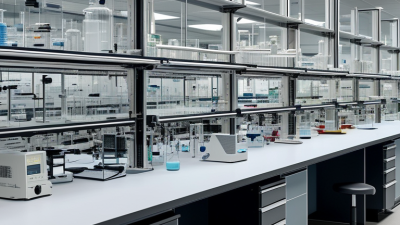
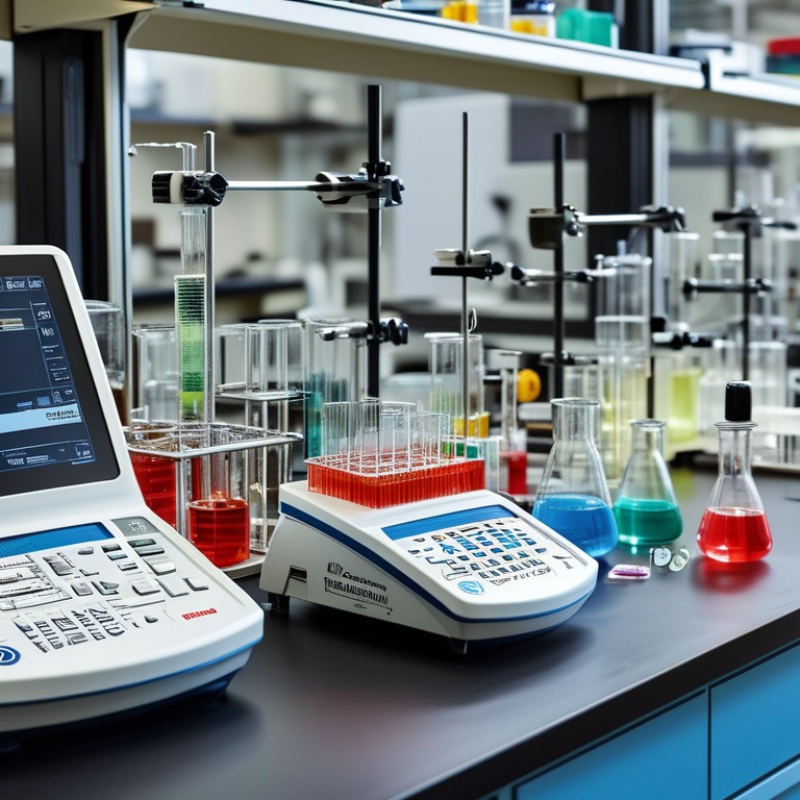
Chemical laboratory tools in 2026 are best understood by function, not appearance. Analytical instruments remain central, including chromatographic systems, spectrometers, and electrochemical analyzers. They measure purity, concentration, and trace contaminants. Sample-preparation tools support this work through centrifuges, homogenizers, filtration units, and controlled heating blocks. Small details matter. Poor mixing can distort an otherwise accurate result.
Liquid-handling equipment forms another core category. Adjustable pipettes, automated dispensers, burettes, and microvolume systems improve repeatability while reducing transfer errors. General laboratory equipment also remains essential, including balances, drying ovens, water baths, laboratory refrigerators, and purified-water systems. A 2024 Grand View Research report estimated the global laboratory equipment market at more than 39 billion U.S. dollars in 2023, with continued growth projected through 2030. Its definition includes several equipment groups, so comparisons require care.
Safety and environmental-control tools are increasingly important in 2026. Fume hoods, chemical-resistant storage cabinets, spill-control materials, ventilation monitors, and personal protective equipment help manage routine exposure risks. Digital tools now connect instruments with laboratory information systems, audit trails, and calibration records. Fortune Business Insights also projects sustained laboratory equipment growth, although its market estimate differs because it uses a narrower scope. That difference is worth noting. Market figures are useful, but they do not replace method validation, staff training, or ISO/IEC 17025 practices. In daily work, the most advanced tool can still fail when maintenance records are incomplete.
Precision Measuring and Analytical Instruments
In 2026, precision measuring tools remain central to reliable chemical laboratory work. Analytical balances measure tiny mass changes, often below one milligram. Volumetric pipettes support accurate liquid transfer during dilution and standard preparation. Graduated cylinders are useful, but they offer less precision. Small errors spread.
Modern laboratories also depend on digital pH meters, conductivity meters, and temperature probes. These instruments help monitor reactions, water quality, and storage conditions. Spectrophotometers measure light absorption and reveal concentration changes in colored solutions. Chromatography systems separate complex mixtures for identification and quantification. Their results become stronger when analysts verify calibration, blanks, reference materials, and measurement uncertainty.
Calibration matters. A balance may drift after cleaning, vibration, or temperature changes. Pipette performance can decline when seals wear or operators use poor technique. I have found that a careful zero check often prevents more trouble than advanced software. Still, no instrument is perfect. Even a well-maintained system can produce questionable data when samples are contaminated or preparation steps are rushed. That part deserves more attention. Clear records should include instrument identification, calibration dates, environmental conditions, and unexpected observations. These details support traceability and help another analyst reproduce the work. Reliable measurement is not only about buying sophisticated equipment; it depends on disciplined handling, documented checks, and honest review of results.
Sample Preparation, Mixing, and Separation Equipment
In 2026, chemical laboratories are prioritizing equipment that improves sample preparation, mixing, and separation.
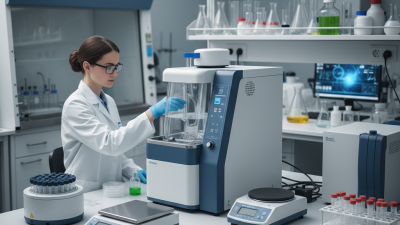
Sample preparation often begins with precision balances, volumetric tools, grinding systems, and temperature-controlled baths. These tools help create uniform samples before testing. Small details matter. A damp powder can alter concentration, while an overheated extract may lose sensitive compounds. Experienced technicians check material compatibility, cleanability, and calibration records before routine use.
Mixing equipment now covers a wide range of needs, from compact vortex mixers to overhead stirrers and controlled shaking platforms.
Magnetic stirring works well for low-viscosity solutions, but thick suspensions may require stronger mechanical movement. I have seen uneven mixing caused by an unsuitable impeller, even when the speed looked correct. The vessel shape, fill volume, and mixing time deserve equal attention. Sometimes, the written procedure is too general. That weakness should be reviewed rather than ignored.
Separation equipment remains central to reliable laboratory work.
Centrifuges, filtration assemblies, extraction units, and chromatography preparation systems support different sample types. Centrifugation can clarify a cloudy suspension, while membrane filtration may remove fine particles before analysis. Separation results depend on pore size, solvent resistance, rotor balance, and sample temperature. A blocked filter wastes time and can change recovery. For dependable records, technicians should document operating conditions, inspect wear parts, and verify performance with suitable control samples.
Heating, Cooling, and Environmental Control Tools
What Are the 2026 Top Types of Chemical Laboratory Tools?
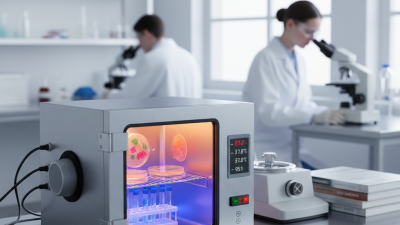
Heating, cooling, and environmental control tools shape daily laboratory reliability. In my experience, a precise temperature controller matters more than impressive maximum heat. Digital hot plates, heating blocks, ovens, and circulating baths support stable reactions and sample preparation. Their sensors should be checked against a traceable reference thermometer. Small errors can change viscosity, reaction speed, or crystallization results. A failed sensor can create a dangerous temperature rise. It happens.
Modern cooling tools include refrigerated circulators, laboratory freezers, cooling plates, and compact chillers. They protect temperature-sensitive samples and improve repeatability during extraction or analysis. Good systems recover quickly after the door opens. That detail is easy to overlook. I record actual sample temperature, not only the display reading. An independent data logger can reveal warm spots, delayed cooling, or brief power interruptions.
Environmental control reaches beyond temperature. Humidity sensors, dehumidifying cabinets, clean air systems, and controlled storage enclosures help reduce moisture-related variation. Local exhaust equipment also manages vapors and heat near active work areas. The correct setup depends on airflow, room size, sample sensitivity, and maintenance capacity. Calibration records, alarm testing, and preventive inspections support dependable laboratory practice. Yet no instrument removes human judgment. I once trusted a stable reading while ignoring an unsealed door, and the results drifted. That mistake still influences how I review every control point.