What is Aluminium Foil Paper and Its Uses in Packaging?
Aluminium Foil Paper is a versatile and widely used material in the packaging industry. It is made from thin sheets of aluminum, offering excellent barrier properties against moisture, air, and light. This unique quality makes it ideal for preserving food and other products. The use of Aluminium Foil Paper in packaging helps extend shelf life and maintain freshness, which is crucial for both manufacturers and consumers.
Many industries utilize Aluminium Foil Paper for packaging, from food to pharmaceuticals. It meets high hygiene and safety standards, ensuring that products remain uncontaminated. However, not all Aluminium Foil Paper is created equally. Variations in thickness and quality can impact performance. Choosing the right type is essential for effective packaging solutions.
Despite its benefits, there are concerns about the environmental impact of Aluminium Foil Paper. Recycling options exist, but they are not widely implemented. This raises questions about sustainability in packaging materials. It is vital for companies to consider both functionality and environmental responsibility when selecting Aluminium Foil Paper for their products. Thus, an informed choice enhances not just product quality but also the brand's commitment to sustainability.
What is Aluminium Foil Paper?
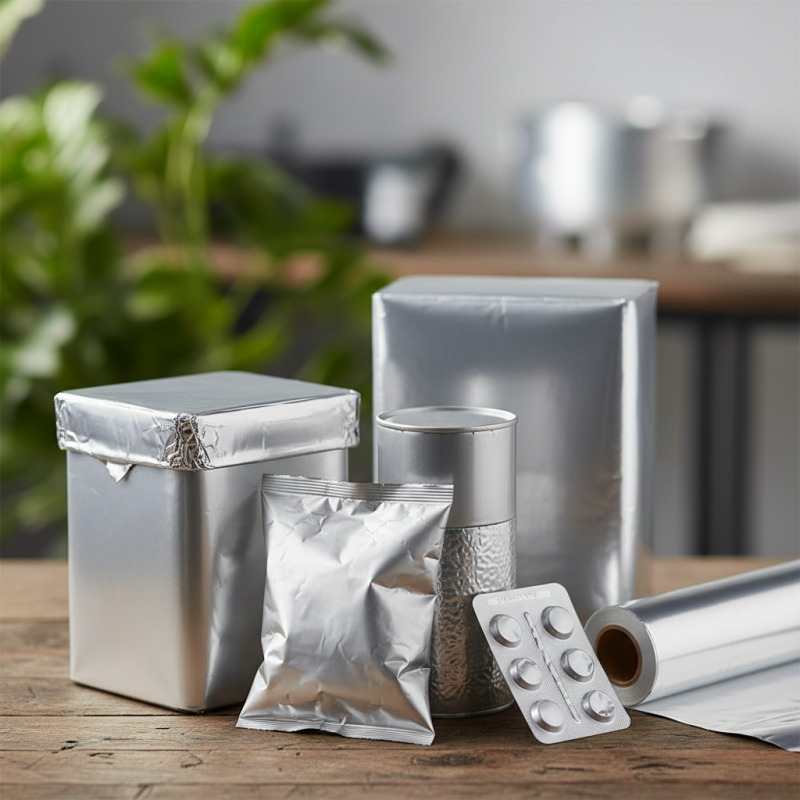
Aluminium foil paper is a versatile packaging material widely used across various industries. This thin, pliable sheet is made from pure aluminium, allowing it to be extremely lightweight yet durable. Its reflective surface helps in maintaining food temperature, making it an essential item in kitchens worldwide. According to industry reports, the aluminium foil packaging market is projected to reach $46 billion by 2025, highlighting its increasing demand and application.
Its uses in packaging extend beyond food. In pharmaceuticals, aluminium foil secures medications against moisture and light. This barrier property protects the integrity of products, ensuring they remain effective. Additionally, this material is recyclable, making it a sustainable choice. However, using aluminium foil can sometimes create excessive waste, particularly in single-use applications. Consumers need to navigate this to reduce environmental impact.
Tips: Consider reusing aluminium foil whenever possible. If you use it to cover dishes, wash it gently for future use. Store your aluminium foil in a dry place to prevent any corrosion. Simple actions can lead to better sustainability practices and minimize waste. The careful consideration of aluminium foil use reflects our commitment to both efficiency and environmental responsibility.
History and Development of Aluminium Foil Paper
Aluminium foil paper has a rich history that dates back to the early 20th century. The first commercial production of aluminium foil began in 1910 in Switzerland. This material quickly gained popularity due to its lightweight and malleable nature. Manufacturers recognized its potential for protecting food from moisture, air, and light. As a result, aluminium foil became a staple in kitchens worldwide.
Over the decades, technology advanced, leading to the development of thinner and more versatile foil options. The introduction of processes like rolling and annealing improved production efficiency. However, some challenges emerged. Notably, the environmental impact of aluminium production raised concerns. Recycling became essential as awareness grew. Today, sustainable practices are crucial in the aluminium foil industry.
Modern uses of aluminium foil extend beyond food packaging. It is widely applied in pharmaceuticals and cosmetics. Despite its benefits, reliance on foil requires caution regarding environmental sustainability. As consumers, we should consider the lifecycle of products. Balancing convenience with eco-friendliness remains a pressing issue.
Properties and Characteristics of Aluminium Foil Paper
Aluminium foil paper is a versatile material with unique properties. It is lightweight yet strong, which allows it to provide excellent protection for various products. The foil has a reflective surface, making it great for heat retention. This feature is valuable in food packaging, keeping meals warm longer.
The thickness of aluminium foil can vary, but even the thin layers offer significant barrier protection. They prevent moisture, light, and air from penetrating, which helps extend shelf life. However, its recyclability is a notable advantage. Although many use it once, reusing is sometimes overlooked.
Aluminium foil paper is not impervious to wear. Users must be careful not to puncture or tear it. This can lead to compromised protection. Recognizing these limitations ensures better functionality and reliability. Proper storage is also essential. If not kept away from moisture, it can lose effectiveness.
Properties and Uses of Aluminium Foil Paper in Packaging
This chart illustrates the key properties of aluminium foil paper used in packaging, rated on a scale from 1 to 10. The ratings highlight its excellent barrier properties and recyclability, making it a preferred material in various packaging applications.
Common Uses of Aluminium Foil Paper in Packaging
Aluminium foil paper has become a staple in the packaging industry due to its versatility. Its unique properties, such as excellent barrier performance, make it ideal for preserving food and extending shelf life. Studies show that aluminium foil can block 98% of light, oxygen, and moisture. This helps maintain product quality, especially for perishable items. Its lightweight nature also reduces transportation costs.
In the food sector, aluminium foil paper is widely used for wrapping, baking, and cooking. A report by the Global Aluminium Foil Market indicates that the food packaging segment is projected to grow at a CAGR of 4.7% from 2021 to 2026. This growth is largely driven by the increasing demand for convenient and ready-to-eat meal options. Furthermore, its use in household applications, like lining trays and baking dishes, showcases its practical benefits.
However, there are concerns regarding the environmental impact of aluminium foil. While it is recyclable, not all facilities accept it due to contamination issues. Many consumers still need to understand proper disposal methods. Addressing these challenges is essential for the sustainable future of aluminium foil in packaging. As industry standards evolve, collaboration between producers and recyclers could enhance recycling rates and reduce waste.
What is Aluminium Foil Paper and Its Uses in Packaging? - Common Uses of Aluminium Foil Paper in Packaging
| Use Case | Description | Benefits |
| Food Packaging | Used to wrap various food items to keep them fresh. | Prevents moisture loss and maintains flavor. |
| Insulation | Serves as an insulation layer in packaging. | Reduces heat transfer, keeping contents protected. |
| Cooking | Used in cooking to cover dishes or line baking trays. | Facilitates even cooking and easy cleanup. |
| Pharmaceuticals | Packaging for certain medications and supplements. | Provides a barrier to moisture and contaminants. |
| Crafts and Art | Used in arts and crafts for decorative purposes. | Easy to manipulate and adds a shiny finish. |
Environmental Impact and Recycling of Aluminium Foil Paper
Aluminium foil paper is a versatile packaging material commonly used in kitchens and industries. However, its environmental impact is significant. Made from a non-renewable resource, aluminium production consumes energy and produces greenhouse gases. Once used, aluminium foil can take up to 200 years to decompose in landfills.
Recycling aluminium foil is crucial. It requires only 5% of the energy needed for producing new materials. Ensure the foil is clean before recycling. Food residue can contaminate the recycling process. Check local recycling guidelines, as some areas accept foil while others do not.
Tips: Always rinse your foil before disposal. Even small scraps can be recycled. Keep a container handy to collect used foil. This small effort contributes to reducing waste. Remember, every piece counts towards a sustainable future.