Top Benefits of Steel Laboratory Casework for Your Research Space?
In modern research environments, the choice of laboratory furniture can greatly influence productivity. Steel Laboratory Casework stands out as a robust choice for various research applications. Its durability offers many advantages, making it an appealing option for both scientists and laboratory managers.
Laboratories often face wear and tear from chemicals and equipment. Steel Laboratory Casework provides a resilient solution that withstands these challenges. Its sleek design can also improve the aesthetic appeal of lab spaces. When working with delicate and expensive equipment, having sturdy casework is essential.
However, not all steel casework is created equal. Researchers must consider quality, customization, and budget constraints. It’s important to reflect on both form and function in these essential pieces. While the benefits are clear, each lab's unique needs should guide the decision-making process. Ultimately, choosing the right laboratory casework can enhance efficiency and ensure a safer environment for research.

Advantages of Steel Laboratory Casework in Research Environments
Steel laboratory casework offers numerous advantages for research environments that prioritize durability and efficiency. The robust nature of steel ensures that your workspaces can withstand heavy usage and potential spills. Unlike wood or other materials, steel is non-porous, making it easier to clean and maintain. This feature is crucial, particularly when handling hazardous materials or conducting experiments.
In addition to durability, steel casework provides a sleek and modern appearance. This can enhance the overall aesthetic of your laboratory, creating a more professional atmosphere. Furthermore, steel is often more cost-effective in the long run due to its longevity. Research environments frequently operate under tight budgets, so investing in sturdy casework can be a smart decision. However, it’s important to consider the customization options. Sometimes, the standard sizes and configurations may not fit all needs. Reflecting on how these casework units integrate into your specific layout can help avoid future frustrations.
Top Benefits of Steel Laboratory Casework for Your Research Space
| Benefit |
Description |
Impact on Research |
| Durability |
Steel casework is resistant to chemicals, heat, and wear. |
Minimized replacement costs and downtime. |
| Customizability |
Available in various sizes, configurations, and finishes. |
Optimizes space usage and meets specific research needs. |
| Sustainability |
Steel is recyclable, reducing environmental impact. |
Supports sustainable research practices. |
| Safety |
Robust structure minimizes risk of accidents. |
Enhances overall lab safety for researchers. |
| Aesthetic Appeal |
Modern designs can enhance the look of lab spaces. |
Improves the work environment and morale. |
Durability and Longevity of Steel Casework for Laboratories
When considering laboratory furniture, durability stands out. Steel laboratory casework offers remarkable strength. Unlike wood or particle board, steel resists wear and tear. It can endure chemical spills, impacts, and temperature fluctuations. This resilience is crucial in a research environment. Many researchers have experienced the frustration of damaged casework, affecting their workflow. Choosing steel minimizes these risks.
Steel casework has a lengthy lifespan, reducing the need for replacements. Laboratories often have tight budgets. Investing in durable furniture can save money over time. Steel’s resistance to corrosion prevents rust and deterioration, extending its usable life. This longevity means fewer disruptions and consistent workspace availability.
It's important to acknowledge that even the strongest materials require maintenance. Regular checks can identify potential issues early. A proactive approach ensures that the casework remains functional. Researchers must balance quality with practicality. Investing in steel casework is a commitment to creating a reliable research environment.
Design Flexibility and Customization Options in Steel Casework
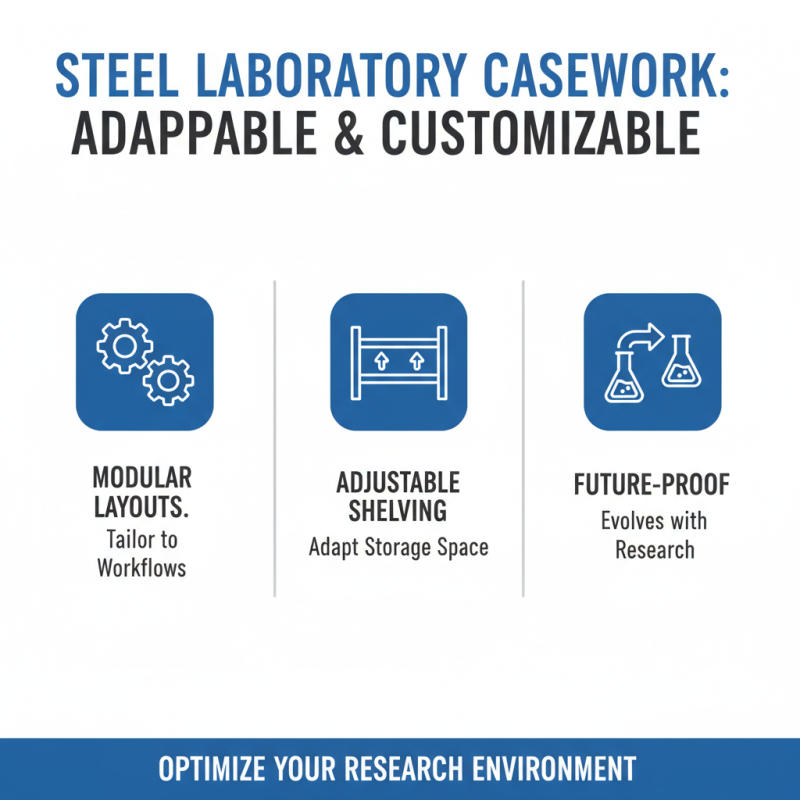
Steel laboratory casework offers remarkable design flexibility and customization options, making it an excellent choice for research environments. You can tailor the layout to fit specific workflows. For instance, adjustable shelving allows you to alter storage space quickly. This adaptability means you can change your casework as your research evolves or as new projects emerge.
Customization doesn’t stop at size. You can choose different finishes and colors to match the aesthetics of your lab. This personal touch enhances the work environment, making it more inviting. However, not all designs are practical. Sometimes, a beautiful setup might compromise function. It's essential to balance form with utility.
Furthermore, modular systems enable easy reconfiguration without complete overhauls. You can add new units as needed, a process that can save time and money. Still, it’s crucial to plan thoroughly. Improper layouts could lead to inefficiencies or space wastage. A well-thought-out design not only supports current research but also anticipates future needs.
Cost-Effectiveness of Steel Laboratory Casework Over Time
Steel laboratory casework stands out in research spaces. It offers durability and resilience, which are essential. Over time, it proves to be a cost-effective choice. Unlike wooden alternatives, steel doesn’t warp, making it a safe long-term investment.
Initial expenses for steel casework can be high. However, maintenance costs are low. Steel is resistant to chemicals and stains, minimizing repairs. These savings accumulate steadily. In harsh lab environments, durability is crucial. Casework damaged by spills can lead to expensive replacements.
The aesthetic appeal of steel is another factor. It gives a modern look to laboratories. Steel can fit various designs, enhancing functionality. However, some might find it too clinical. Balancing utility with comfort can be challenging. This remains a point of reflection for researchers looking to optimize their space.
Top Benefits of Steel Laboratory Casework for Your Research Space
This bar chart illustrates the cost-effectiveness of steel laboratory casework over time, comparing initial costs, maintenance costs, durability, customization options, and longevity. As shown, steel casework maintains a favorable balance of cost and performance attributes essential for modern research environments.
Enhanced Safety Features of Steel Casework for Lab Operators
Steel laboratory casework is designed with safety in mind. Its robust construction minimizes the risk of accidents in busy research environments. Sturdy surfaces can withstand spills. They prevent chemical reactions from spreading, protecting both operators and equipment. The ability to easily clean and sanitize steel surfaces is crucial. This reduces contamination risks in the lab setting.
Incorporating safety features further enhances the effectiveness of steel casework. For instance, many steel cabinets come with lockable doors. This is essential for securely storing hazardous materials. Visibility is also improved; clear labeling and design help researchers quickly identify contents. Yet, some labs overlook the importance of maintaining these features. Regular inspections are necessary to ensure that safety remains a priority.
Despite the advantages, steel casework does have its flaws. The initial investment can be higher than other materials. Additionally, it requires proper installation to avoid operational issues. Maintaining an environment that prioritizes safety can be a challenge. Balancing functionality and design needs careful thought. Regular updates to protocols are crucial in a dynamic research landscape.