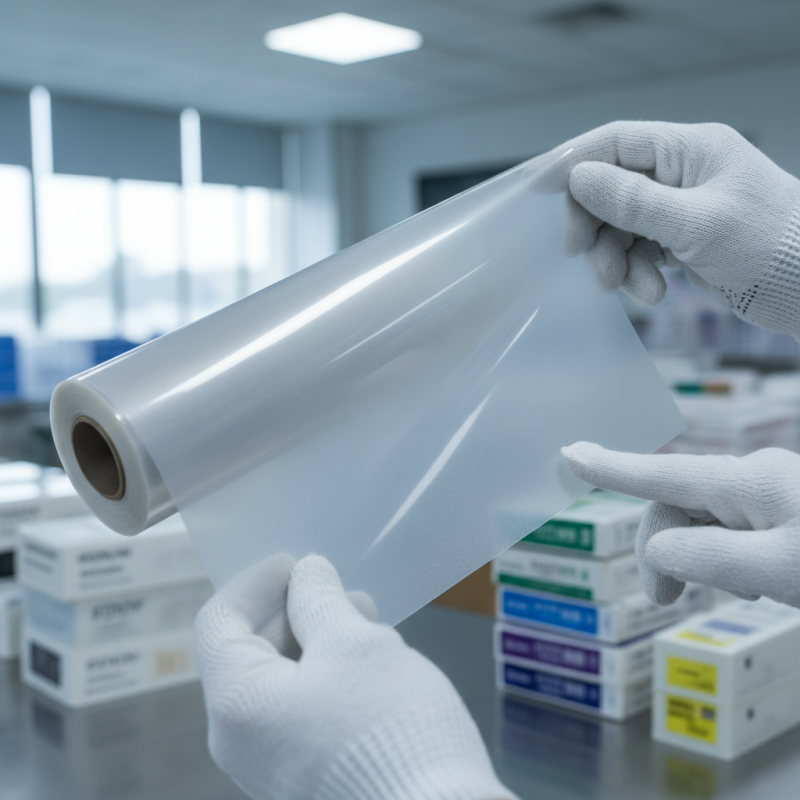
How to Choose the Best PET Release Film for Your Needs?
Choosing the right PET Release Film can significantly impact your projects. This specialized film is crucial in various applications, such as labeling and packaging. However, selecting the best option is not always straightforward.
Consider the film's thickness, surface texture, and adhesive properties. These factors influence performance in different environments. For example, a thicker film may offer better durability, but it can be less flexible. Understanding your specific needs will guide your decision-making process.
Quality matters. Not all PET Release Films are created equal. Some may yellow over time or fail under stress. It's essential to choose a reputable supplier. Look for transparent information regarding their manufacturing standards. This ensures you get a reliable product tailored to your application.
Understanding PET Release Film and Its Applications
PET release film is a crucial element in various industries. Its properties make it versatile in applications such as packaging, laminating, and release liners. The film is known for its smooth surface, which allows for easy release of adhesives and coatings. It is also resistant to temperature fluctuations, chemical exposure, and UV light, increasing its utility across different environments.
According to a report by Smithers Pira, the global market for release liners, including PET films, is expected to reach $17.4 billion by 2025. This growth highlights the increasing demand for efficient and reliable release solutions. In particular, the automotive and electronics sectors are driving this trend due to the rise in advanced adhesive technologies. Manufacturers are continually innovating to meet these demands, but challenges remain, such as managing production costs and ensuring quality consistency.
Choosing the right PET release film requires understanding your specific application. Factors like thickness, release force, and surface treatment are vital. While many options exist, not all will fit your needs. Testing several films could save time and money in the long run. Consider how each option performs under real-world conditions. This way, you can make a well-informed choice tailored to your requirements.
Key Factors to Consider When Selecting PET Release Film
When selecting PET release films, consider several key factors. The thickness of the film plays a crucial role. Thicker films are more durable but may limit flexibility. Conversely, thinner films provide better conformability but might tear easily. Assess the specific application and decide how much durability you need.
Adhesive properties are another important aspect. Some processes require high adhesion, while others benefit from low adhesion. The release characteristics should match the substrate and adhesive used. Understanding the compatibility can prevent issues during production. It's worth noting that testing different films in real conditions can lead to new insights.
Environmental factors also impact your choice. Consider temperature, humidity, and exposure to chemicals. Some films perform better under specific conditions. Not every film is suitable for every application. Regularly reviewing your film's performance may reveal unexpected areas for improvement and adjustments.
Comparing Different Types of PET Release Films Available
When selecting the best polyethylene terephthalate (PET) release film, it is essential to consider the specific types available. PET release films come in various thicknesses and surface treatments. These properties significantly affect adhesion performance and release characteristics. For instance, a report by Smithers Pira indicates that the global PET release film market is projected to grow by 5.3% annually through 2025.
One common type is silicone-coated PET film. This variant offers an exceptional release surface, making it ideal for adhesive applications. Users often prefer it for its reliability in maintaining bond integrity. However, it’s not always the best choice for high-temperature applications. Another option is fluoropolymer-coated PET film, known for its resistance to extreme conditions. According to a recent industry analysis, fluoropolymer films account for about 20% of the market due to their durability and versatility.
It's also important to reflect on the environmental impact of these materials. While PET films are recyclable, not all types are accepted in local recycling facilities. Additionally, the manufacturing process may involve chemicals that require careful handling. Evaluating these aspects can aid users in making informed choices that align with their operational needs.
Comparison of Different Types of PET Release Films
Analyzing Cost-Effectiveness of Various PET Release Film Options
Choosing the right PET release film is a complex decision. Cost-effectiveness plays a crucial role. Many companies prioritize affordability, but initial cost does not tell the whole story. A detailed analysis shows that films with lower upfront prices may lack quality. Research indicates that films with higher thickness perform better in production processes.
A recent industry report highlights that investing in high-quality PET release films can lead to lower operational costs over time. For example, films that resist curling and shrinking reduce waste. This minimizes material loss, saving significant costs in large-scale applications. The data suggests that companies often underestimate these advantages by focusing solely on purchase price.
Conducting a cost-analysis is essential. A premium PET release film can lead to improved production efficiency. While initial investments might seem high, the long-term returns can justify the costs. It's vital to evaluate these factors carefully. Often, a balance between upfront costs and long-term performance is necessary for wise financial decisions.
Best Practices for Using PET Release Film in Your Projects
When utilizing PET release film, understanding its properties is crucial. The film should be compatible with your specific application. For example, different projects may require varying levels of adhesion. Some tasks demand a stronger release, while others need a milder one. So, assess your project's requirements carefully.
Tips: Always conduct a small test to evaluate how the film performs in your specific environment. It’s common for users to overlook this step, leading to unexpected results. Ensuring the right fit can save time and resources.
Managing temperature and humidity levels during application is vital. These factors directly influence adhesion and release properties. Too much moisture can compromise the film's effectiveness. Pay attention to storage conditions as well, as poor storage can degrade film quality.
Tips: If you're unsure about the film's durability, keep some samples on hand for troubleshooting. Reflect on past projects to avoid making the same choice errors. Prioritizing these factors helps to improve your project's overall success.