What is a Food Safety Kit and Why You Need One?
Food safety is a critical concern in our increasingly complex food system. With reports of foodborne illnesses on the rise, it is essential to be proactive. Food Safety Kits have emerged as vital tools for homes and businesses to ensure proper food handling. Expert Dr. Emily Jensen, a known authority in food safety, states, “A well-prepared Food Safety Kit can prevent contamination and save lives.”
These kits typically include essential items like instant-read thermometers, sanitizers, and food safety guidelines. They help individuals and families understand proper food storage, cooking temperatures, and hygiene practices. However, many people underestimate the importance of these tools. Some may think, “It won’t happen to me,” leading to preventable illnesses. Ignoring food safety can have serious consequences.
Investing in a Food Safety Kit is about more than convenience. It’s about mindfulness in our daily routines. As we prepare meals, we must reflect on our practices and the potential risks involved. In a world where food safety challenges are ever-present, being equipped can make a significant difference.
What is a Food Safety Kit?
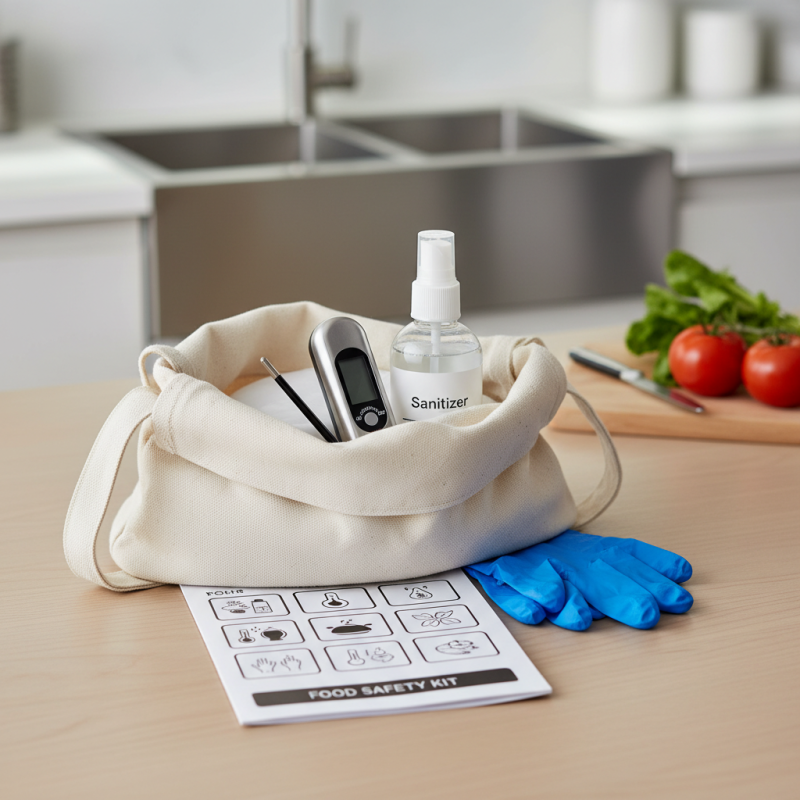
A food safety kit is a collection of essential items designed to help prevent foodborne illnesses. These kits often contain various tools and supplies, including thermometers, sanitizers, and gloves. Each item plays a crucial role in ensuring that food is stored and prepared safely. For instance, a food thermometer helps check if the food reaches a safe internal temperature. This is a simple yet vital step often overlooked.
Many people underestimate the importance of a food safety kit. It's easy to think, "I’ve cooked this dish many times." Yet, even seasoned cooks can make mistakes. Cross-contamination happens more often than you might realize. A few misplaced utensils can lead to serious health risks. Having a kit readily available makes it easier to follow proper procedures and maintain hygiene.
Creating a food safety kit may take time and effort. You might find difficulty deciding which items to include. Some may forget to add essential elements, while others may go overboard. Reflecting on your needs is important. A well-thought-out food safety kit can significantly reduce the chances of foodborne illnesses and contribute to a safer kitchen environment.
Key Components of a Food Safety Kit
A Food Safety Kit contains essential tools for maintaining food hygiene. The key components include thermometers, cleaning supplies, storage containers, and labels. Each component plays a vital role in preventing foodborne illnesses, which, according to the Centers for Disease Control and Prevention (CDC), affects approximately one in six Americans annually.
Thermometers help ensure that food is cooked to safe temperatures. Undercooking can lead to harmful bacteria surviving. The USDA recommends using them to check meats and casseroles. Cleaning supplies, like sanitizers and wipes, are crucial for preventing cross-contamination. A report from the FDA found that improper cleaning is a common cause of food contamination.
Storage containers are vital for keeping food fresh and safe. They need to be properly sealed to avoid spoilage. Labeling is another key aspect often overlooked. Many people struggle with organizing and labeling leftovers, which can lead to waste. In fact, the USDA estimates that nearly 30% of food is wasted in the U.S. This highlights the need for better practices in food safety management.
Food Safety Kit Key Components
Benefits of Having a Food Safety Kit
A Food Safety Kit is essential for anyone handling food. It ensures safety and minimizes risks. Recent studies show that nearly 48 million people get sick from foodborne illnesses each year in the U.S. alone. This alarming statistic underscores the need for effective safety measures in any kitchen.
Having a Food Safety Kit provides multiple benefits. It includes thermometer, gloves, and sanitizers. These tools help maintain the right temperatures that prevent bacterial growth. Research indicates that keeping food at safe temperatures reduces illness rates significantly. The Centers for Disease Control and Prevention (CDC) emphasizes that proper food handling can decrease food poisoning incidents by up to 50%.
Moreover, the kit encourages a proactive approach. It reminds us to think critically about hygiene and food handling. It can be easy to overlook these practices in busy environments. The visual aspect of a kit keeps safety at the forefront. By integrating this into your routine, you create a culture of safety. Ignoring proper food safety practices can lead to serious consequences, making a Food Safety Kit indispensable.
What is a Food Safety Kit and Why You Need One? - Benefits of Having a Food Safety Kit
| Dimension | Data |
| Importance of Food Safety | Prevents foodborne illnesses |
| Common Components | Thermometer, sanitizers, gloves |
| Target Users | Restaurants, catering services, households |
| Benefits | Enhances food safety practices |
| Regular Maintenance | Check and replenish supplies |
| Training Requirements | Staff must be educated on food safety |
| Regulatory Compliance | Helps meet health department standards |
How to Properly Use a Food Safety Kit
Using a food safety kit is essential for anyone handling food. These kits typically include thermometers, gloves, and sanitizer. Each item serves a specific purpose. For example, a thermometer ensures that food is cooked to the right temperature. It prevents foodborne illnesses, which can easily arise from improper cooking.
To use a food safety kit properly, start with gloves. Make sure to put them on before handling any raw foods. This protects you and the food from contamination. Next, use the thermometer to check the food temperature. Insert it into the thickest part of the meat. Wait for a few seconds to get an accurate reading. Remember, cooking to the correct temperature reduces health risks.
Don’t forget to sanitize surfaces after preparing food. Wipe down countertops and cutting boards. Using the right cleaning solutions is key. However, it’s common to overlook these steps in busy kitchens. Reflecting on these practices can help improve food safety habits. A few missed details can lead to serious health issues. Always prioritize safety when preparing meals.
Tips for Maintaining Your Food Safety Kit
Maintaining a food safety kit is crucial for anyone who handles food. Start by regularly checking expiration dates on food items. A report from the Food and Drug Administration (FDA) revealed that nearly 48 million people get sick from foodborne illnesses each year. This statistic underscores the importance of safety in food preparation.
Include essential tools in your kit, such as thermometers and storage bags. Ensure your thermometer is calibrated properly. Did you know that food must be cooked to a safe temperature to kill harmful bacteria? For instance, ground meats should be cooked to at least 160°F. Having a reliable thermometer can prevent dangerous foodborne illnesses.
In addition, keep your kit clean. Use sanitizing wipes to regularly clean surfaces and utensils. According to the Centers for Disease Control and Prevention (CDC), wiping down surfaces reduces the risk of cross-contamination. This can be easily overlooked but is essential. Reflect on your cleaning habits. Are your methods effective enough to ensure food safety? Consistent maintenance of your food safety kit can significantly reduce risks and keep your food safe.