What is Guar Gum and How is it Used in Industries?
Guar Gum is a natural thickening agent extracted from the seeds of the guar plant, primarily found in India and Pakistan. This versatile substance is widely used across various industries, including food, cosmetics, and pharmaceuticals. In food production, Guar Gum acts as an emulsifier and stabilizer. It enhances texture in baked goods and sauces, providing a rich mouthfeel. In cosmetics, it serves as a binder and thickener, improving product consistency.
Despite its many applications, Guar Gum's use can sometimes present challenges. For instance, its sensitivity to heat and shear can affect its performance. Industries must consider these factors when formulating products. Additionally, the sourcing of Guar Gum may raise ethical questions regarding sustainable farming practices. Understanding these complexities can help businesses make more informed decisions.
The increasing demand for natural ingredients has propelled Guar Gum into the spotlight. However, companies must balance innovation with responsible sourcing. This ensures that Guar Gum's benefits can be enjoyed without compromising the environment or local communities. By exploring the various uses and challenges of Guar Gum, we can appreciate its role in modern industries and the need for a thoughtful approach to its application.
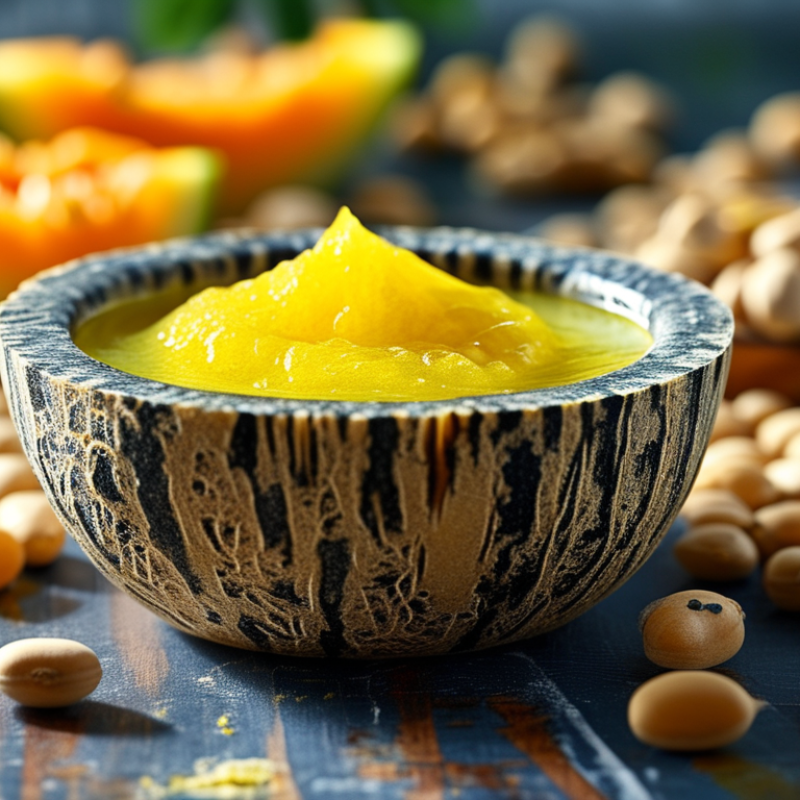
What is Guar Gum: A Comprehensive Overview
Guar gum, a natural thickening agent, is derived from the seeds of the guar plant. This versatile polysaccharide is widely used in various industries due to its exceptional thickening and stabilizing properties. According to market analysis, the global guar gum market was valued at approximately USD 697 million in 2020 and is projected to reach about USD 1.22 billion by 2026. This growth underscores the importance of guar gum in sectors such as food, pharmaceuticals, and cosmetics.
In the food industry, guar gum is prized for its ability to enhance texture and stabilize emulsions. It can improve the viscosity of sauces and dressings, making them more appealing. In pharmaceuticals, it serves as a binding agent and helps in controlled drug release. A report from ResearchAndMarkets highlights that guar gum’s demand in the pharmaceutical sector is expected to grow by 6.5% annually. However, while guar gum offers numerous advantages, its sourcing raises concerns about sustainability and environmental impact.
These challenges can spark dialogue in the industry about best practices. For instance, the heavy reliance on guar gum may lead to overexploitation of guar crops, potentially affecting local farming communities. Companies must invest in sustainable practices to balance demand with environmental stewardship. The guarantee of quality is also critical. Ensuring consistent quality in production can be tricky and calls for stringent quality control measures. This ongoing discourse emphasizes the need for responsible practices in utilizing this vital ingredient.
Origin and Extraction Process of Guar Gum
Guar gum is a natural thickening agent derived from the seeds of the guar plant, primarily found in India and Pakistan. The extraction process begins with harvesting mature guar pods. These pods are then de-husked, milled, and screen-separated to yield Guar Gum Powder. Studies indicate that India accounts for approximately 80% of the world's guar production, highlighting its importance in the global market.
The gum's water-soluble properties make it an essential ingredient in various industries, including food, cosmetics, and pharmaceuticals. In food production, it is used as a stabilizer and thickener in products such as ice cream and sauces. According to a report by Grand View Research, the global guar gum market was valued at USD 1.16 billion in 2020 and is expected to show consistent growth due to rising demand for natural thickening agents. This demand raises questions about sustainability and resource management in guar cultivation.
Although guar gum's applications are expansive, the extraction process is not without challenges. Variability in seed quality and climatic conditions can affect yield and quality. The industry must find ways to ensure consistent supply while addressing environmental concerns. Balancing agricultural practices and production efficiency requires ongoing innovation and research.
Industrial Applications of Guar Gum in Food Industry
Guar gum, derived from the seeds of the guar plant, finds extensive use in the food industry. It acts as a thickening agent and stabilizer, which is vital in various food products. For instance, it is commonly used in sauces, dressings, and dairy products to enhance texture and improve mouthfeel. The versatile nature of guar gum allows it to bind moisture, offering a key advantage in maintaining product quality over time.
In gluten-free baking, guar gum plays a significant role. It provides elasticity and volume to baked goods, often replacing gluten. However, the effectiveness of guar gum can vary based on usage conditions and the specific formulations used. Some bakers notice differences in texture and rise, prompting them to experiment with proportions. Additionally, while it aids in reducing the fat content in certain products, the perceptions of taste and texture can be subjective.
The food industry often faces challenges when integrating ingredients like guar gum. Balancing functionality and consumer appeal requires careful consideration. While the benefits of guar gum are clear, overcoming issues related to taste perception and consistency remains a hurdle. It’s important for manufacturers to continually assess how guar gum interacts with other ingredients, to achieve the desired product outcomes.
Role of Guar Gum in Pharmaceuticals and Cosmetics
Guar gum is a natural thickening agent derived from guar beans. Its application in the pharmaceutical and cosmetic industries is significant. According to a report from Markets and Markets, the global guar gum market is projected to reach USD 1 billion by 2025. This growth reflects the increasing demand for natural ingredients in formulations.
In pharmaceuticals, guar gum acts as a binder and disintegrant in tablets. It enhances the stability and bioavailability of active ingredients. A study published in the International Journal of Pharmaceutical Sciences and Research highlighted the potential of guar gum in controlled drug delivery systems. Its ability to form gels improves drug release profiles. However, the optimal concentration of guar gum can vary significantly between formulations, highlighting the need for careful experimentation.
In cosmetics, it serves as an emulsifier and stabilizer in creams and lotions. Guar gum provides a smooth texture and enhances moisture retention. A report from Grand View Research noted that the demand for natural ingredients in cosmetics is on the rise, encouraging formulators to embrace materials like guar gum. Despite its advantages, some issues persist. The sourcing of high-quality guar gum remains a challenge, impacting consistency in products.
Usage of Guar Gum in Various Industries
Environmental Impact and Sustainability of Guar Gum Production
Guar gum, derived from the seeds of the guar plant, is crucial in various industries. Its uses range from food products to cosmetics and pharmaceuticals. However, the production and environmental impact of guar gum raise concerns worth addressing.
The cultivation of guar involves significant water usage. This can strain local water sources, especially in arid regions. Farmers often face challenges like fluctuating prices and climatic variability. These factors can lead to unsustainable farming practices. Choosing organic farming methods and implementing crop rotation could mitigate some negative impacts.
When selecting guar gum products, consider their sourcing. Look for suppliers that prioritize sustainable practices. This promotes environmental stewardship and supports local farmers. Additionally, educating consumers on the implications of their choices can drive demand for more responsible production methods. Responsible usage of guar gum can pave the way for sustainability in industries relying on this versatile ingredient.