How to Prevent Contamination in Laboratory Settings?
Laboratory settings are critical environments for scientific research and testing. However, contamination in laboratories poses serious risks to results and outcomes. According to a recent report from the National Institute of Standards and Technology, nearly 30% of all lab experiments are compromised due to contamination. This is a staggering figure that emphasizes the need for effective prevention strategies.
Dr. Emily Hart, a leading microbiologist, once stated, "Contamination in laboratory settings can derail months of research in a single moment." Her words reflect the urgency of addressing contamination risks. Small lapses in protocol can lead to significant errors, requiring meticulous attention to detail.
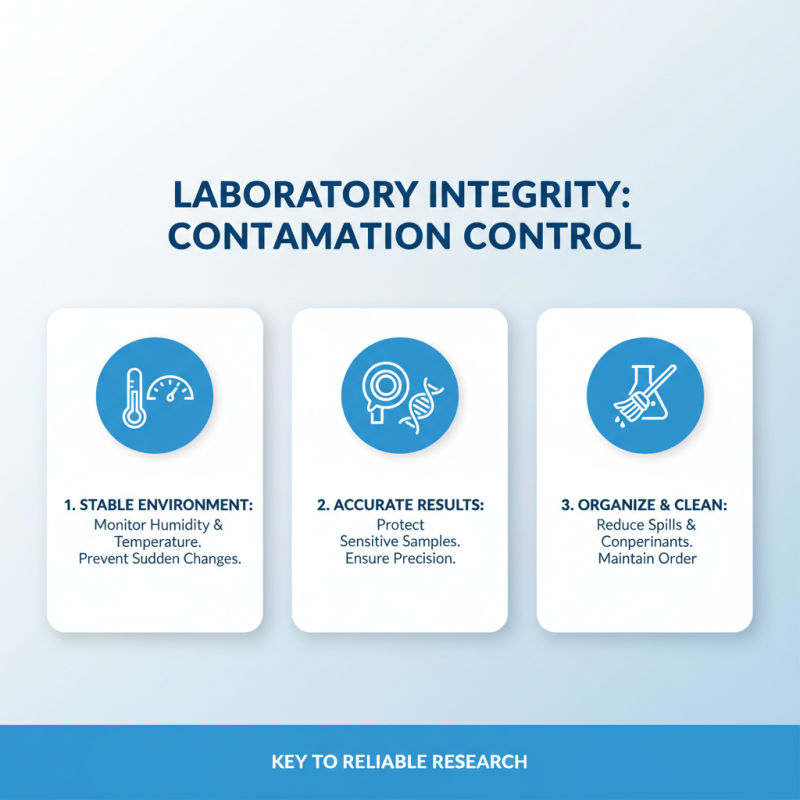
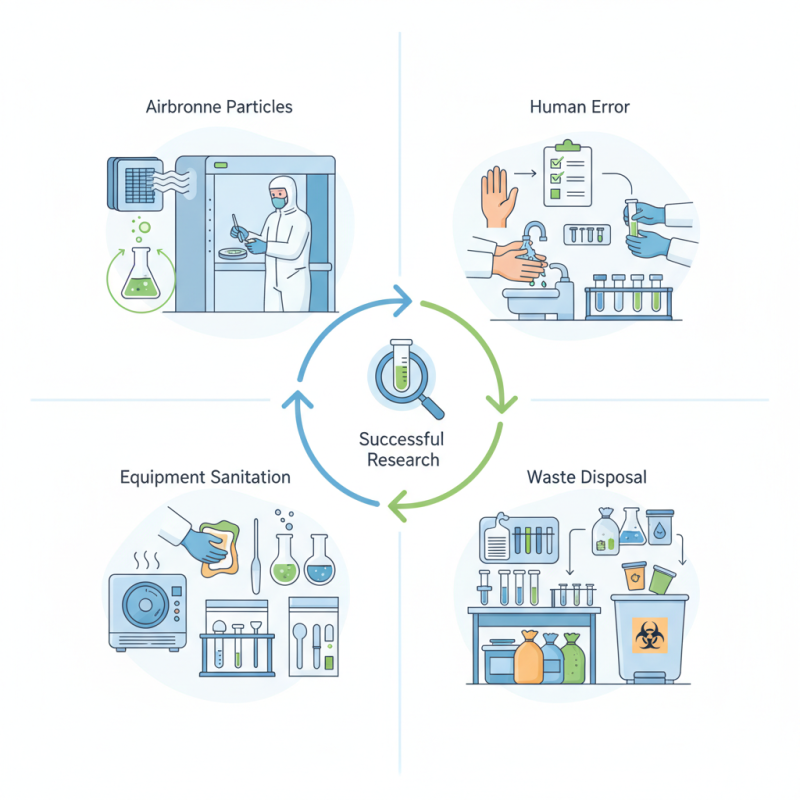
Every element, from sample handling to equipment sanitation, is vital. Airborne particles, human error, and improper waste disposal all contribute to contamination. Addressing this issue involves creating a culture of awareness and responsibility among laboratory personnel. The fight against contamination is ongoing, and continual reflection on practices is essential for success.
Understanding Contamination Sources in Laboratory Environments
Contamination in laboratory settings can arise from various sources. Airborne particles are a significant concern. Dust, aerosols, and even skin flakes can settle on surfaces. These particles may interfere with sensitive experiments. Furthermore, biological contaminants from humans or animals can introduce unwanted variables.
Another crucial contamination source is equipment and tools. Shared instruments can harbor residues from previous experiments. Glassware, pipettes, and even gloves can carry bacteria or chemicals. Researchers often overlook this aspect in their rush to complete tasks. A single contaminated tool can compromise an entire set of results.
Personal habits contribute significantly to contamination as well. Fixed protocols are one thing, but human error is harder to control. People sometimes forget to wear proper protective gear or neglect to clean surfaces regularly. In high-stakes research environments, these lapses can prove detrimental. For every protocol in place, there must be continuous awareness and adjustment to mitigate risks. The challenge lies in maintaining diligence in everyday practices.
Implementing Proper Personal Protective Equipment (PPE) Protocols
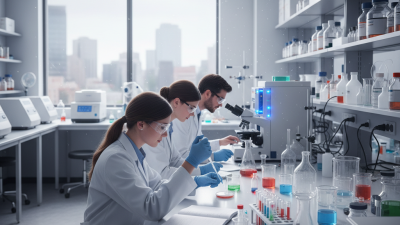
In laboratory settings, contamination can undermine research efforts. Implementing proper personal protective equipment (PPE) protocols is crucial. Each team member must wear suitable gear to minimize contamination risks. Gloves, lab coats, masks, and eye protection are essential. However, proper use is often overlooked. Some may forget to change gloves after working with different samples. This can lead to cross-contamination.
Training is vital for reinforcing the importance of PPE. Regular workshops can highlight what happens when protocols are ignored. It's surprising how many people feel an exemption from wearing masks. They might think, "It's just a quick task." In reality, any lapse can cause significant issues.
Proper PPE disposal is equally important. Used gloves should go in the right containers immediately. However, it’s easy to become complacent. When a busy day hits, some might skip this step. Even the smallest negligence can lead to contamination.
Creating an environment where PPE is a priority requires constant attention and reflection. The lab culture must encourage everyone to stay vigilant with their protective measures.
How to Prevent Contamination in Laboratory Settings? - Implementing Proper Personal Protective Equipment (PPE) Protocols
| PPE Type |
Purpose |
Recommended Standards |
Usage Guidelines |
| Lab Coats |
Protection from spills and contamination |
ASTM F1002 |
Change daily or when contaminated |
| Gloves |
Prevent skin contact with hazardous materials |
ASTM D6978 (Chemicals) |
Use disposable gloves and replace them frequently |
| Safety Goggles |
Protect eyes from splashes and UV radiation |
ANSI Z87.1 |
Always wear when handling chemicals |
| Face Masks |
Reduce inhalation of pathogens and dust |
N95 Respirator Standard |
Use when working with infectious materials |
| Footwear |
Protection from spills and heavy objects |
ASTM F2413-18 |
Wear closed-toe, slip-resistant shoes |
Establishing Rigorous Cleaning and Sterilization Procedures
In laboratory settings, cleanliness is paramount. Contamination can lead to inaccurate results, wasted resources, and compromised research integrity. Establishing rigorous cleaning and sterilization procedures is essential for preventing such issues.
To maintain optimal cleanliness, labs should implement daily cleaning protocols. This includes wiping down surfaces with appropriate disinfectants and ensuring tools are sterilized after each use. Reports suggest that surfaces can harbor pathogens for days if not properly cleaned. A study found that 70% of lab equipment harbors microbial life that could affect experiments.
Tips:
- Utilize color-coded cleaning materials to avoid cross-contamination.
- Regularly audit cleaning processes to ensure adherence to protocols.
Another critical step is to train staff on the importance of sterilization. Untrained personnel may overlook essential procedures or use inadequate cleaning methods. According to a survey, 40% of laboratory workers feel unsure about proper sterilization techniques. Foster an environment where questions are encouraged; incomplete knowledge can lead to significant oversight.
Tips:
- Conduct workshops to refresh staff on cleaning protocols.
- Use visual aids to remind staff of proper techniques.
Preventing Contamination in Laboratory Settings
Training Personnel on Best Practices for Contamination Prevention
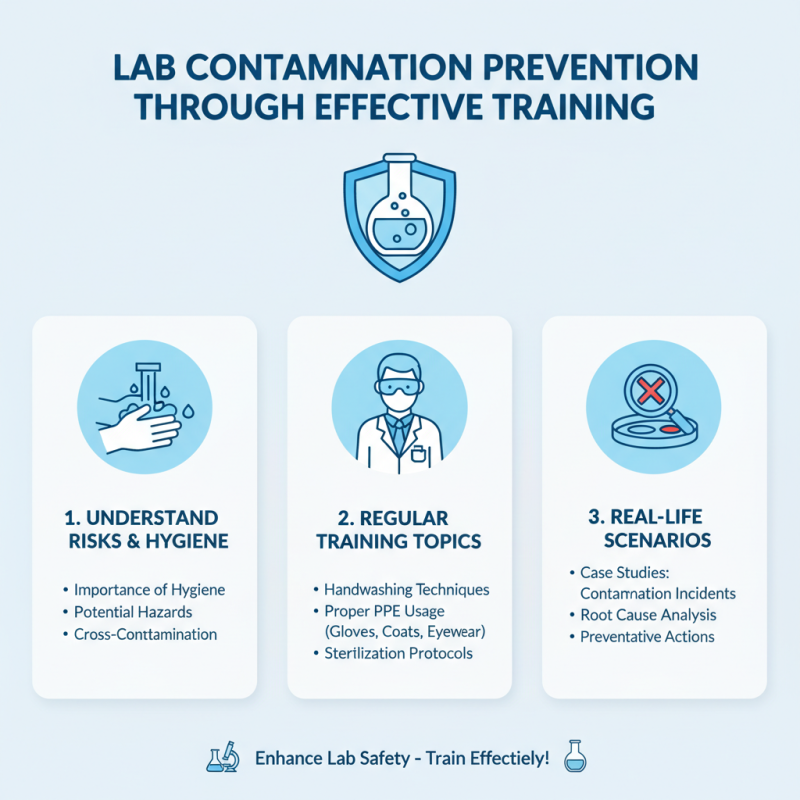
Effective training is essential for preventing contamination in laboratory settings. Personnel must understand the significance of hygiene practices and the potential risks involved. Regular training sessions should cover topics like proper handwashing techniques and the importance of using personal protective equipment (PPE). Illustrating real-life scenarios can enhance understanding. For example, a case study of a contamination incident can be a powerful teaching tool.
Hands-on practice during training can reinforce best practices. Employees can be shown how to correctly sterilize equipment and workspace. Mock drills can aid in simulating contamination control measures. Regular refreshers can help keep these practices top of mind, but often they are overlooked. Assessing staff awareness through quizzes or discussions can highlight gaps in knowledge.
Training should be an ongoing process rather than a one-time event. Transitioning from theoretical knowledge to applied practices can be challenging. Encourage personnel to question and reflect on their own habits. Small changes, like remembering to sanitize their gloves, can have a big impact. Continuous improvement should be the goal, as complacency can lead to lapses in protocol.