Choosing the best Medical Laboratory Machines in 2026 depends on what a laboratory tests, how many samples it processes, and which results clinicians need quickly. A compact clinic may value a reliable chemistry analyzer, while a high-volume hospital may need automated hematology and immunoassay systems. Molecular platforms can support targeted testing, but their value depends on validated methods, trained staff, and suitable sample workflows. Bigger is not always better.
This guide compares key machine types by accuracy, throughput, ease of use, maintenance needs, and total operating cost. It also considers practical details: how clearly an analyzer flags an abnormal result, whether reagents are consistently available, and how quickly service teams can respond when equipment stops. These details affect everyday work. A fast machine still creates delays if staff must repeat tests or wait for parts.
No single model suits every laboratory. Specifications should be checked against independent evaluations, manufacturer documentation, and the laboratory’s own quality-control requirements. Buyers should also confirm local regulatory status and assess installation, staff training, calibration, and data-system compatibility before purchase. The comparison will highlight strengths as well as limitations, since published performance figures may not reflect every real-world setting. Some choices remain difficult. A lower purchase price can conceal higher costs over time. The most suitable machine is the one that delivers dependable results within the laboratory’s actual staffing, budget, and workload.
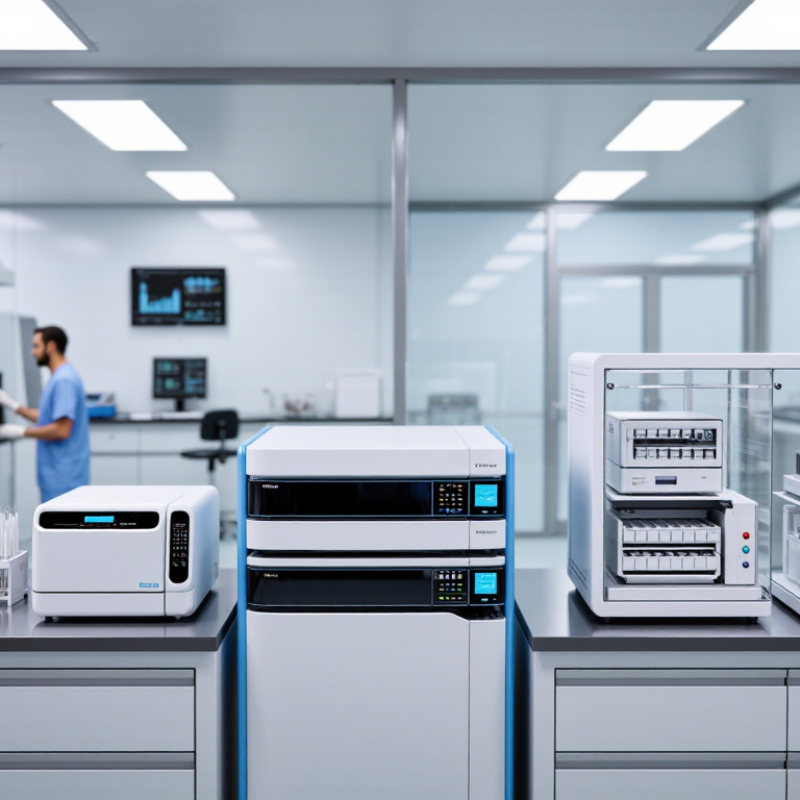
Medical laboratory machines turn patient samples into measurable evidence. Hematology analyzers count blood cells; chemistry analyzers measure substances such as glucose and enzymes. Immunoassay systems detect selected hormones, proteins, or infection markers. Molecular instruments identify genetic material. Together, these results can help clinicians confirm a diagnosis, monitor treatment, or decide whether further testing is needed. But no analyzer makes a diagnosis alone. Staff must check sample quality, instrument calibration, and results that do not fit the patient’s symptoms.
Access remains uneven. The 2021 Lancet Commission on Diagnostics estimated that 47% of people worldwide have little or no access to diagnostic testing. That gap shows why equipment choice is more than a technical decision: laboratories need machines suited to local test volumes, available staff, maintenance, and reliable supplies.
A fast instrument may still create delays if samples are mishandled or quality controls are skipped. Small details matter. A clotted blood tube can undermine an otherwise precise result.
Tips: Match a machine to the tests your laboratory actually performs. Review quality-control records and maintenance needs before purchase. When a result seems inconsistent, pause and investigate rather than trusting the screen. Machines support diagnosis; careful people make the results meaningful.
Evaluating laboratory machines in 2026 starts with the work they must perform, not a feature list. Match expected daily volume, sample types, and peak-hour demand to verified throughput.
Then check accuracy, precision, reportable range, and performance near clinical decision limits. A fast analyzer is not useful if routine quality-control failures interrupt a busy morning.
The WHO Laboratory Quality Management System handbook identifies equipment management as one of 12 essential quality-system elements. That makes maintenance records, calibration procedures, and staff training practical selection criteria, not paperwork extras.
Ask vendors for validation data using samples like those your laboratory handles. Review reagent stability, waste output, service response times, and connectivity with existing systems.
Small details count. A poorly placed rack can slow loading; an unclear alarm can delay action.
Compare total operating costs over several years, including consumables and downtime. CDC proficiency-testing requirements offer another useful benchmark: where applicable, regulated testing events occur at least three times yearly. A machine’s results should support consistent performance in those external checks.
I would still question attractive throughput claims unless they reflect your sample mix. They often do not.
Sources: WHO, Laboratory Quality Management System Handbook (2011); CDC, CLIA proficiency-testing requirements.
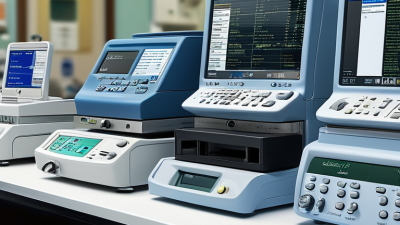
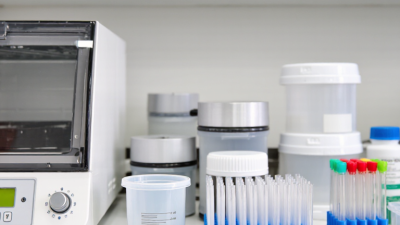
Medical laboratories rely on different machines for different stages of testing. Pre-analytical equipment includes barcode systems, sample sorters, centrifuges, and refrigerated storage. These tools help prepare and protect specimens before analysis. Core analytical categories include clinical chemistry and immunoassay analyzers, which measure substances such as glucose, enzymes, and hormones. Hematology analyzers count blood cells, while coagulation analyzers assess clotting. Microscopes and microbiology systems support cell review and organism detection. Molecular instruments, including PCR systems, detect genetic material. No single machine covers every need.
Grand View Research’s 2024 In Vitro Diagnostics Market report valued the global market at about US$96.7 billion in 2023. That figure covers diagnostic products and services, not machines alone, but it signals the scale of testing demand. For a laboratory, the “best” equipment depends on test volume, sample types, staff skills, and maintenance access. A high-throughput analyzer may look efficient, yet sit idle in a small facility. This trade-off deserves honest review. WHO’s Essential Diagnostics List can also help laboratories consider which tests matter for their care setting.
Tips: Check throughput using your real daily workload, not brochure capacity. Confirm reagent storage, calibration needs, service response, and backup plans. Run a trial with routine samples. Small workflow details matter.
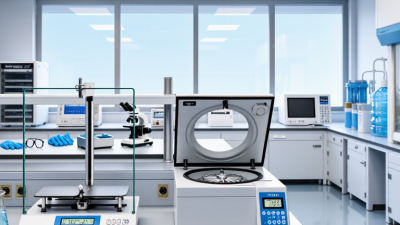
A medical laboratory workflow depends on several machines working together, not one impressive instrument. A centrifuge separates serum or plasma from cells after collection. Timing and balance matter. Uneven loading can affect sample quality, so staff check tubes and rotor limits before a run.
Automated chemistry analyzers measure substances such as glucose and electrolytes in prepared samples. Hematology analyzers count and classify blood cells, while immunoassay systems detect selected hormones or proteins. Each instrument needs appropriate calibration, quality-control materials, and routine maintenance. A result is only as dependable as the steps behind it. That sounds obvious, but busy laboratories can overlook small handling errors.
Microscopes remain useful when a smear needs visual review or an automated flag requires follow-up. PCR instruments amplify targeted genetic material, supporting specific testing workflows. They do not replace careful sample preparation or contamination controls. Some laboratories also use blood gas analyzers for rapid measurements on whole blood. No machine is perfect. Choosing equipment means weighing throughput, test menus, service access, and staff training against actual workload. The newest system may not fit every laboratory, and that deserves honest reflection before purchase.
Representative throughput across key laboratory workflow instruments
Automated chemistry, hematology, immunoassay, coagulation, and urinalysis systems support different stages of testing. Values are illustrative mid-range figures; actual throughput depends on the instrument, test menu, and workflow. Tests per hour and samples per hour are different measures and should not be compared as equivalent.
The best choice depends on what a laboratory actually processes each day. A high-volume hospital lab may need automated chemistry or hematology systems that handle steady sample loads. A small clinic may value a compact analyzer, quick startup, and simple daily cleaning more. Bigger is not always better.
Start with test menus, sample types, and peak workload—not just average numbers. If a morning shift receives dozens of blood tubes within an hour, check the machine’s practical throughput and loading workflow. Ask how often calibration, quality-control checks, and maintenance are needed. These details affect turnaround time and staff workload. Read the specifications carefully.
Space and people matter, too. Measure bench depth, clearance, power access, and room for reagents before purchase. Confirm that staff can access training and responsive technical support. Check whether results can connect reliably with the laboratory information system, and plan for downtime. A backup process is useful.
Compare the total cost over several years, including consumables, service, and training. A spreadsheet helps, but it can miss awkward steps at the bench. Request a demonstration using representative samples and have the staff who will operate the system test the workflow. Their feedback may reveal a problem the sales figures do not show.
2106 N Glassell St, Orange, CA 92865
(714)-754-6669 | sale@site_be823a56-9df9-438e-acac-cd7d504ea0ad
Monday: 8:00 AM – 4:30 PM
Tuesday: 8:00 AM – 4:30 PM
Wednesday: 8:00 AM – 4:30 PM
Thursday: 8:00 AM – 4:30 PM
Friday: 8:00 AM – 4:30 PM