10 Tips for Buying Medical Laboratory Products?
Buying Medical Laboratory Products is not a simple price comparison. A low-cost analyzer may require expensive reagents, frequent calibration, or specialized service engineers. The right choice protects test accuracy, staff safety, workflow continuity, and patient care.
The World Health Organization’s guidance on in vitro diagnostics emphasizes appropriate selection, quality assurance, and reliable performance across the product’s lifecycle. Its Essential Diagnostics List also shows why purchasing decisions should reflect clinical needs, not marketing claims. Meanwhile, the 2024 Grand View Research market report describes continued growth in laboratory diagnostics, driven by automation, molecular testing, and decentralized care. More choices can create more confusion.
James O. Westgard, a leading laboratory quality expert, stated, “Quality control is not quality assurance.” That warning deserves attention. A product can pass routine controls and still fail your practical requirements. Review analytical sensitivity, specificity, reference intervals, software compatibility, maintenance schedules, and reagent stability. Ask for independent evaluations, not only vendor brochures. Check ISO 13485 certification, regulatory clearance, technical support, and documented training. These details often matter after installation.
The following ten tips focus on real purchasing conditions. Picture a crowded bench, a delayed shipment, and a technician troubleshooting alone. That is where a weak decision becomes visible. Cost still matters. It should never stand alone. Some assumptions may need revision after local validation, workload analysis, or user feedback. That is not failure. It is responsible procurement.
Define Laboratory Needs and Product Specifications
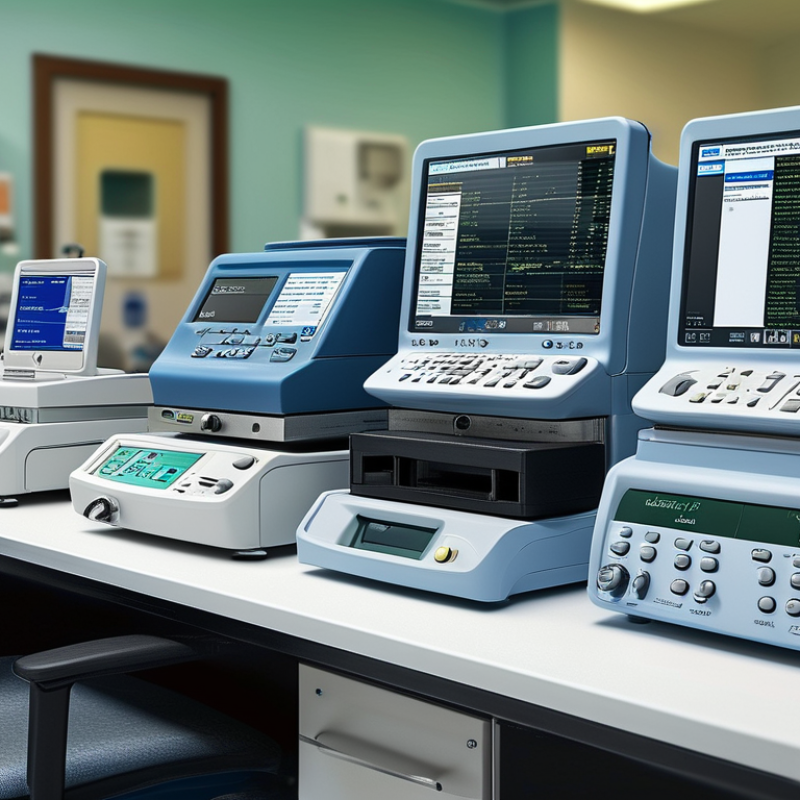
Buying medical laboratory products should begin with a clear definition of laboratory needs. A busy microbiology bench requires different equipment from a small clinical chemistry room. List the test types, daily sample volume, staff skills, available space, and workflow risks. Measure the bench before ordering. A product that looks compact online may block a centrifuge lid or restrict service access.
Write specifications that describe performance, not attractive features. Include measuring range, accuracy, precision, sample volume, operating temperature, power requirements, and compatible consumables. For instruments, request validation data, calibration procedures, maintenance intervals, and user training details. I have found that vague terms like “high quality” create expensive misunderstandings. Clear acceptance criteria are safer. Keep records.
Check whether the product fits your quality system and applicable regulatory requirements. Review certificates, technical files, instructions for use, and traceability documents. Ask how the supplier handles repairs, replacement parts, software updates, and temperature-sensitive delivery. A practical test with representative samples can reveal problems that brochures hide. Do not skip it.
Even careful planning has weak spots. A spreadsheet may miss noise, heat, or awkward cleaning access. Invite laboratory staff to review the specifications before purchase. Their hands know the workflow better than a catalogue. Small details matter. A mislabeled port or short cable can delay testing, increase handling errors, and force an avoidable redesign.
Verify Quality, Safety, and Regulatory Compliance
When buying medical laboratory products, quality verification must go beyond a polished catalogue image. Request certificates, technical specifications, and traceable lot numbers before placing an order. Check whether the product matches your test method, sample type, storage capacity, and instrument requirements. A lower price can become expensive when results fail.
Safety details deserve close attention. Review sterility claims, biocompatibility information, chemical labels, expiry dates, and transport conditions. Confirm that packaging is sealed and undamaged when it arrives.
For temperature-sensitive products, inspect the delivery record and compare it with the required range. Keep photographs and receiving notes. Small evidence matters.
Regulatory compliance should fit your location and intended use. Ask for current declarations, quality-system documentation, validation data, and instructions in a language your staff understands. Verify calibration records for measurement equipment, including dates, standards, and responsible personnel. Speak with a qualified laboratory professional when requirements seem unclear.
I once accepted a familiar-looking product without checking its revision number. The performance was acceptable, but the documentation was outdated. That mistake changed our purchasing checklist.
Still, checklists are not perfect. Staff training, supplier communication, and periodic audits remain necessary. A reliable supplier should answer specific questions clearly, not pressure you to buy quickly. Test a small quantity when practical, record the results, and review complaints before expanding the purchase.
Evaluate Suppliers, Support Services, and Product Reliability
10 Tips for Buying Medical Laboratory Products
Buying medical laboratory products is not only a price decision. Supplier evaluation should begin with evidence, not polished promises. Ask for current quality certificates, lot traceability, validation records, and complaint-response data. Then verify those documents against actual deliveries and product labels. A strong catalogue means little if reagents arrive warm, damaged, or late. Request temperature logs, packaging photographs, and clear replacement timelines. Small details matter.
Support services often determine whether reliable products stay reliable. Confirm installation, user training, preventive maintenance, calibration, and remote troubleshooting. Put response times in writing, including weekends and emergency escalation. The WHO’s 2022 Global Report on Infection Prevention and Control reports healthcare-associated infections affect about 7% of patients in high-income countries. The figure reaches about 15% in low- and middle-income countries. Reliable testing systems require dependable support, not just dependable instruments. The WHO and UNICEF Joint Monitoring Programme reported that 1.7 billion people lacked basic water services in healthcare facilities in 2022. Ask whether suppliers can support water quality, waste handling, and power stability.
Use a scorecard covering failure rates, service response, training quality, consumable availability, and total ownership cost. Request references from laboratories with similar workloads. Speak with users, not only sales representatives. No scorecard is perfect. I have learned that an attractive warranty can hide slow communication and unclear exclusions. Review performance every six months, record recurring failures, and revise purchasing criteria when evidence changes. Reliability must be observed over time.
Compare Total Costs, Warranties, and Supply Continuity
10 Tips for Buying Medical Laboratory Products: Compare Total Costs, Warranties, and Supply Continuity
The invoice is only the visible cost. A reliable purchase review includes installation, calibration, staff training, consumables, energy use, maintenance, and disposal. The U.S. Government Accountability Office reported that healthcare supply shortages can delay services and increase operating pressure. That risk makes a cheaper analyzer less attractive if it requires costly reagents or frequent service visits. Ask for a five-year total-cost estimate, not a promotional price. Request realistic usage assumptions. They are often too optimistic.
Warranty terms deserve close inspection. Confirm coverage for labor, replacement parts, software, travel, and response times. A 12-month warranty may be weaker than a 36-month plan with clear exclusions. The International Organization for Standardization’s ISO 15189:2022 standard emphasizes equipment management, maintenance, and result reliability in medical laboratories. Keep service records, calibration evidence, and escalation contacts accessible. Small gaps can become audit problems. I have seen buyers compare warranties carefully, then overlook annual preventive-maintenance fees.
Supply continuity needs measurable commitments. The 2023 Interos Annual Global Supply Chain Report estimated that disruptions cost large companies an average of 184 million dollars annually. Laboratory purchasers should therefore check dual sourcing, safety-stock guidance, lead times, expiration dates, and back-order communication. Ask whether compatible consumables are validated before an emergency occurs. Do not accept “usually available” as a continuity plan. A written service-level agreement is stronger. Still, no contract removes every risk. Review it every year.
10 Tips for Buying Medical Laboratory Products: Compare Total Costs, Warranties, and Supply Continuity
The chart presents a normalized five-year procurement model rather than vendor quotations. Consumables, service, calibration, and continuity planning can materially affect the total cost beyond the initial purchase price. Compare warranty coverage, replacement lead times, reagent availability, and service response before making a purchasing decision.