Top Chemical Laboratory Tools Every Scientist Should Have?
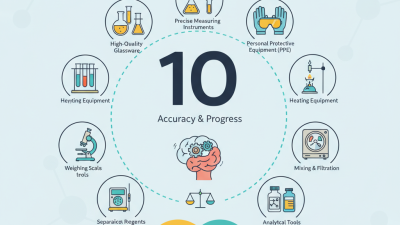
In the world of scientific investigation, having the right Chemical Laboratory Tools is crucial. These tools aid in conducting experiments, ensuring accuracy and consistency. Each laboratory is unique, and the tools selected should meet specific research needs.
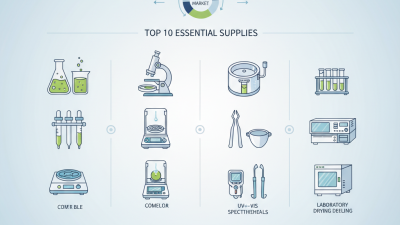
Essential tools range from pipettes to spectrophotometers. These devices help measure and analyze chemicals. Selecting high-quality tools enhances reliability. However, experts often overlook maintenance. Ensure regular checks to avoid unexpected setbacks.
Understanding the significance of Chemical Laboratory Tools goes beyond mere possession. It requires knowledge of their proper use. Embrace continuous learning to adapt to advancements. Scientists must reflect on their experiences to improve workflow.
Essential Laboratory Glassware for Chemical Experiments
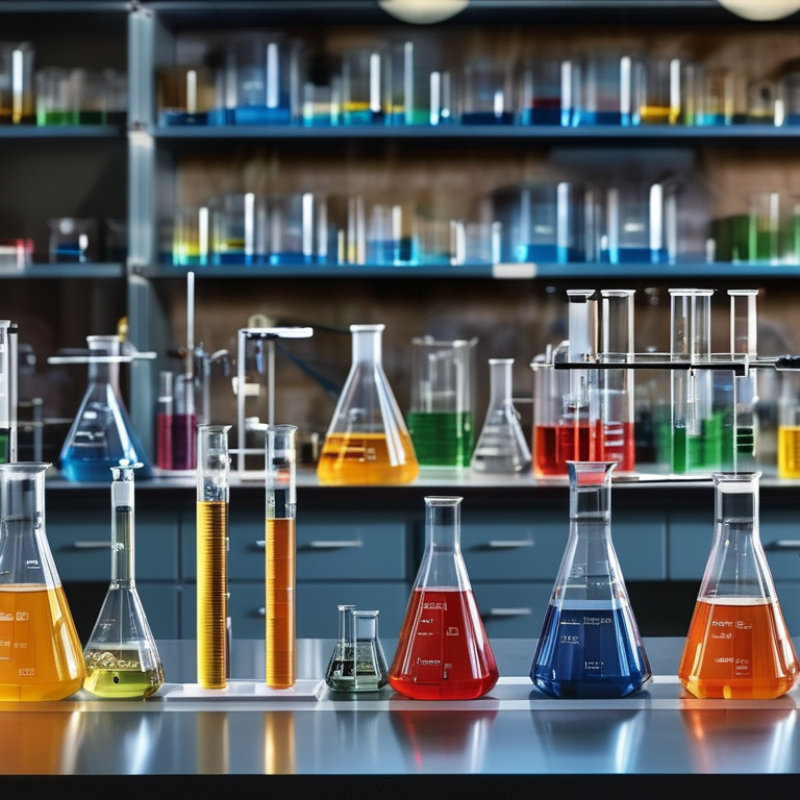
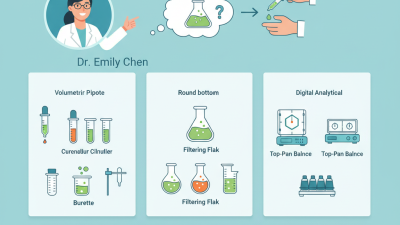
Glassware is fundamental in any chemical laboratory. It provides essential functionality for various experiments. Beakers, flasks, and pipettes are common tools that scientists rely on. Each piece serves a unique purpose and enhances precision in measurements.
Beakers come in various sizes. They are handy for mixing, heating, and pouring liquids. Their wide mouths make it easy to stir solutions. However, they lack exact measurement capabilities. Scientists often need to use graduated cylinders for more accurate readings. Graduated cylinders can offer better precision, but they are fragile and require careful handling.
Flasks, especially Erlenmeyer flasks, provide versatility. They can contain reactions while reducing evaporation. Their narrow necks prevent spills during swirling. Yet, they may not be ideal for all types of experiments. Some reactions need more exposure to air.
Lab safety is paramount, so proper cleaning and handling are crucial for all glassware. Each piece of glassware demands respect and caution, reminding us that even simple tools can significantly impact scientific outcomes.
Key Instruments for Accurate Measurement in the Lab
In any chemical laboratory, precise measurement tools are essential. These instruments directly impact the quality of research and experiments. Common tools include balances and pipettes. A precision balance can measure very small quantities. This accuracy is vital for obtaining correct results. Meanwhile, pipettes allow for accurate liquid handling. They minimize the risk of contamination and ensure consistency.
Another crucial tool is the spectrophotometer. This device measures the intensity of light absorbed by a sample. It is instrumental in quantifying concentrations. However, improper calibration can lead to significant errors. Regular maintenance and calibration checks are necessary for reliable data.
Additionally, thermometers and pH meters are fundamental. They gauge temperature and acidity levels, respectively. Understanding their limitations is essential. For instance, a thermometer may not provide accurate readings in extreme conditions. Scientists must select tools that suit their specific experiments to enhance accuracy. In a lab setting, having the right instruments is only part of the equation. Proper training on their use is equally important, ensuring reliable results over time.
Safety Equipment Every Chemist Should Utilize
Safety is paramount in any chemical laboratory. Proper safety equipment can dramatically reduce the risk of accidents. According to the National Institute for Occupational Safety and Health (NIOSH), nearly 32% of laboratory injuries result from inadequate protective gear. Essential safety items include lab coats, gloves, and safety goggles. Each piece plays a crucial role in safeguarding personal health.
Lab coats help protect against chemical spills and splashes. They are typically made from materials resistant to hazardous substances. Gloves should be selected based on the chemicals being handled; not all types provide equal protection. Safety goggles, on the other hand, shield the eyes from harmful substances and flying debris. A study published in the Journal of Chemical Health and Safety states that lab accidents can be minimized by 50% with proper eye protection.
Chemical spills are unpredictable. Despite precautions, they can happen. Researchers must be ready with spill kits and absorbent materials. Furthermore, ensuring that fire extinguishers are accessible and regularly maintained is critical. Inadequate response equipment can lead to dire consequences in emergencies. Regular training and reviews of safety protocols are essential. These practices help ensure that every chemist is prepared for unexpected scenarios. The commitment to safety can pave the way for a more secure lab environment.
Advanced Analytical Tools for Chemical Research
Advanced analytical tools are vital in chemical research. They help scientists discover new compounds and understand complex reactions. These tools offer precision, speed, and reliability. For example, spectrometers analyze light to identify substances. They provide a fingerprint of chemical compounds. This is essential for both qualitative and quantitative analysis.
Chromatography is another powerful technique. It separates mixtures into individual components. Scientists can then study each component's properties. This method can be time-consuming and requires practice. However, it yields invaluable insights into chemical behavior.
Often, researchers face challenges with instrument sensitivity and calibration. Minor errors can lead to significant discrepancies in results. Regular maintenance and training are crucial to overcome these hurdles. While advanced tools enhance research quality, human errors can still occur. A keen eye for detail and continuous learning can improve results substantially in scientific work.
Critical Supplies for Sample Preparation and Storage
In any chemical laboratory, sample preparation and storage are critical processes. Proper handling of samples ensures accurate and reliable results. According to a study by the American Chemical Society, around 25% of laboratory errors stem from improper sample management. Investing in essential supplies can mitigate these issues and improve overall efficiency.
One of the most fundamental tools is high-quality storage containers. These containers must maintain the integrity of samples. Using proper labeling and environmental controls is equally important. Always track your samples’ conditions to avoid degradation. It is vital to consider temperature variations and lightweight, durable materials for transport.
Tips: Regularly audit your storage methods. Outdated practices can lead to contamination. Ensure that all containers are sealed securely. Always prioritize cleaning protocols in your lab. This reduces the risk of cross-contamination, which can significantly impact your results. Be mindful—neglecting these factors may skew your research outcomes.
Top Chemical Laboratory Tools Every Scientist Should Have