How to Prevent Contamination in Laboratory Environments?
In laboratory environments, preventing contamination is critical to ensure research integrity. Dr. Emily Carter, a renowned expert in laboratory safety, states, "A clean lab is fundamental to quality results." Contamination in laboratory settings can lead to incorrect data and compromised conclusions. It not only affects the validity of research but also poses risks to the health and safety of personnel.
Every detail matters when maintaining a sterile environment. Simple actions like regularly cleaning surfaces, using proper PPE, and adhering to protocols can make a significant difference. Yet, many labs struggle with lapses in these procedures. Researchers often find themselves overwhelmed, leading to shortcuts that increase the risk of contamination in laboratory settings.
Reflecting on these challenges, it is essential to create a culture of vigilance. Training staff and encouraging accountability can bridge the gaps in contamination control. The need for continuous improvement in these practices cannot be overstated. As labs evolve, so must their strategies to combat contamination.
Best Practices for Maintaining Cleanliness in Laboratory Settings
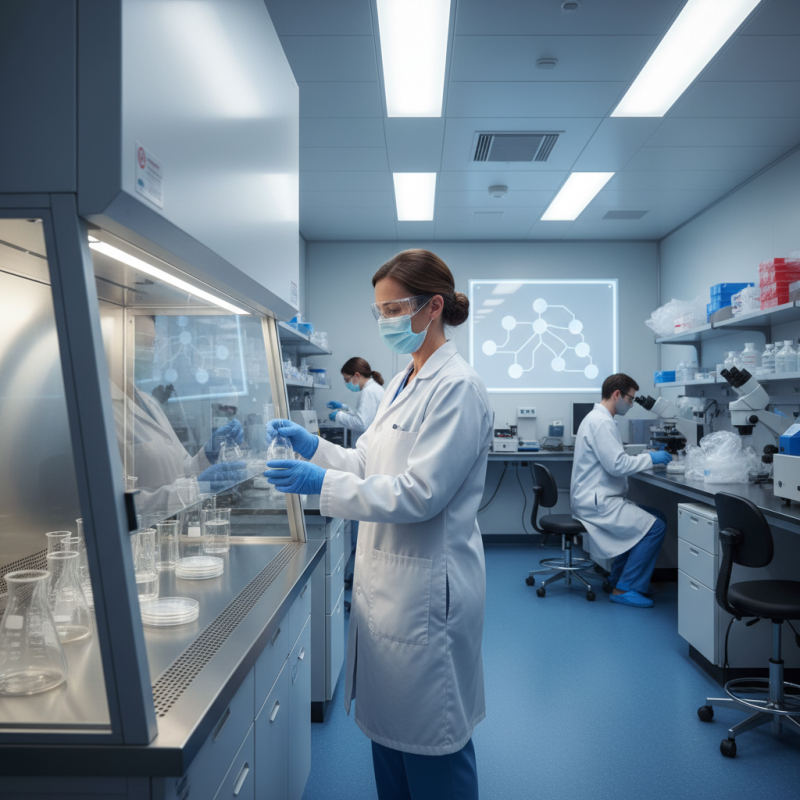
Laboratory environments demand strict cleanliness to avoid contamination. Adopting best practices ensures reliable results and maintains safety. Regular cleaning routines are vital. Lab surfaces should be wiped down frequently. Use appropriate disinfectants that target specific pathogens. Organize workspaces to minimize clutter. This reduces the chances of cross-contamination.
Consider these tips for better cleanliness:
- Always wear personal protective equipment (PPE). It acts as a barrier against contaminants.
- Implement a "clean as you go" strategy. Tidy up immediately after using equipment or materials.
- Dispose of waste properly and label containers accurately. This prevents accidental exposure to hazardous substances.
Inconsistent practices can lead to contamination. Review protocols regularly and seek feedback from team members. It may reveal overlooked areas. Training staff on contamination risks is crucial. Ignoring such aspects can compromise research validity. Maintain open communication in your lab to address challenges collectively.
Best Practices for Maintaining Cleanliness in Laboratory Settings
Understanding Common Contaminants and Their Sources in Labs
Laboratories are critical environments where accuracy and contamination control are crucial. Common contaminants include dust, chemicals, and microbes. Dust can settle on equipment and samples, affecting results. It often comes from shoes, clothing, and even the air. Regular cleaning practices can mitigate this, yet they are often inconsistent in many labs.
Chemicals pose another significant risk. They can either react unexpectedly or degrade your experiments. Spills can happen due to carelessness or equipment failure. Proper training on handling chemicals is essential, but it may not be sufficient if lab personnel do not adhere to protocols consistently. Contamination from biological sources, such as bacteria and viruses, is a persistent concern. These can easily come from human interaction or even samples brought into the lab. Ensuring proper personal protective equipment is worn can help, but sometimes this is overlooked in fast-paced environments.
Reflection on these sources of contamination is necessary. Many labs fail to enforce strict cleaning and training protocols consistently. Researchers may underestimate the impact of seemingly minor contaminants. This oversight can lead to significant errors in experiments and results. Continuous assessment and improvement of contamination control measures are vital for maintaining laboratory integrity.
How to Prevent Contamination in Laboratory Environments? - Understanding Common Contaminants and Their Sources in Labs
| Contaminant Type |
Common Sources |
Effects on Experiments |
Preventive Measures |
| Biological Contaminants |
Skin, Hair, Dust |
Interference in culture results |
Use of gloves, masks, and hairnets |
| Chemical Contaminants |
Spills, Vapors from chemicals |
Altered chemical reactions |
Proper labeling and storage |
| Physical Contaminants |
Glass shards, Metals |
Inaccurate measurements |
Regular equipment checks |
| Instrument Contaminants |
Uncleaned laboratory instruments |
Cross contamination of samples |
Routine cleaning and calibration |
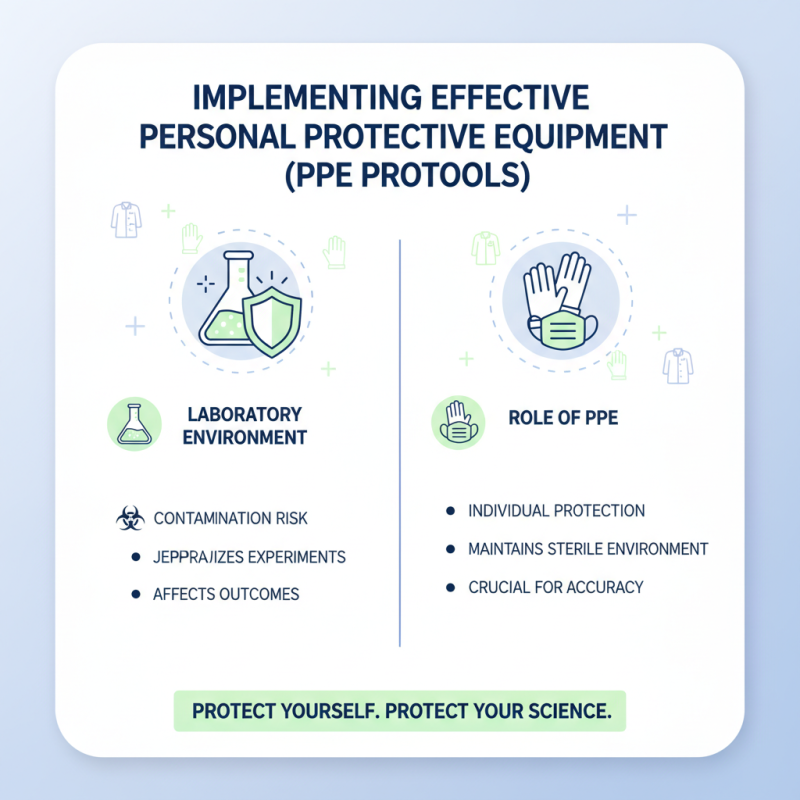
Implementing Effective Personal Protective Equipment (PPE) Protocols
In laboratory environments, contamination can jeopardize experiments and outcomes. Implementing effective Personal Protective Equipment (PPE) protocols is crucial. PPE not only protects the individual but also helps maintain a sterile environment.
When selecting PPE, consider the specific tasks involved. Gloves, masks, and lab coats are essential items. Ensure gloves fit properly; loose ones can be a risk. Masks should be worn correctly to provide maximum protection against airborne particles. Regularly inspect your PPE for any signs of wear or contamination. Replace damaged equipment immediately to avoid exposure.
Tip: Don’t forget hand hygiene. Wash your hands thoroughly before and after handling materials. Alcohol-based sanitizers are useful but should not replace washing. Additionally, educate your team about PPE protocols. Regular training can reinforce good practices.
PPE alone isn't enough. Regularly review your protocols to adapt to new risks. Consider conducting audits to identify potential gaps. Involve the team in discussions about PPE effectiveness. Their insights can lead to improvements in safety practices.
The Role of Controlled Environment and Air Quality in Contamination Prevention
In lab environments, maintaining proper air quality is crucial to prevent contamination. Controlled environments utilize advanced filtration systems to reduce airborne particles. Studies reveal that HEPA filters can capture 99.97% of particles sized 0.3 microns and larger. This filtration level is vital for protecting sensitive experiments and equipment.
Air quality is not just about filtration. Humidity and temperature play significant roles too. The American Society for Testing and Materials (ASTM) recommends maintaining indoor humidity levels between 30% and 60%. Deviations can lead to static electricity or microbial growth. Implementing real-time monitoring systems could provide valuable insights. However, inconsistent maintenance of air quality can result in contamination risks that go unnoticed.
Training personnel is just as important. Staff should understand the significance of contamination prevention. Documenting protocols for handling materials will enhance reliability. Regular audits can help identify potential oversights. Even with the best systems, human error remains a concern. Addressing these weaknesses can lead to significant improvements in laboratory practices.
Routine Cleaning and Monitoring Procedures to Ensure Laboratory Safety
Laboratory environments are critical for research but can be hotbeds for contamination. Routine cleaning and monitoring are essential for maintaining safety. Studies show that nearly 70% of laboratory accidents stem from poor hygiene practices. Therefore, institutions must adopt effective cleaning protocols.
Regularly disinfecting surfaces and equipment drastically minimizes contamination risks. Use appropriate cleaning agents that kill pathogens without harming laboratory materials. Implementing daily checks can also uncover potential hazards. Setting up a monitoring schedule ensures that surfaces are routinely checked for contamination, and training staff in proper cleaning techniques is vital.
Tips:
- Establish a cleanliness timeline.
- Encourage open communication about contamination concerns.
- Employ automated monitoring systems for ongoing checks.
As laboratories evolve, maintaining cleanliness is an ongoing challenge. Some labs may find it hard to enforce strict protocols. Reflection on these issues can lead to better practices and safer working environments. Consistent evaluation of cleaning procedures ensures that regulations meet the highest standards.