What is a Small Laboratory Incubator and How Does It Work?
In the world of scientific research, a Small Laboratory Incubator plays a crucial role. Dr. Lisa Han, an expert in laboratory equipment, emphasizes its importance, saying, “These incubators create stable environments for sensitive experiments.” This stability is vital for maintaining optimal conditions for microbial growth and biochemical reactions.
A Small Laboratory Incubator regulates temperature, humidity, and airflow. It is designed to ensure precise control over these factors, which can influence experimental outcomes. Without this control, results may vary significantly. Researchers often face challenges in creating the ideal conditions for their specific applications.
The effectiveness of a Small Laboratory Incubator hinges on its design and functionality. Yet, many users underestimate the need for regular maintenance and calibration. Issues may arise from neglecting these aspects. Such oversights can lead to unreliable results that tarnish research integrity. Understanding how to maximize the potential of this equipment is essential for any laboratory setting.
Definition and Purpose of a Small Laboratory Incubator
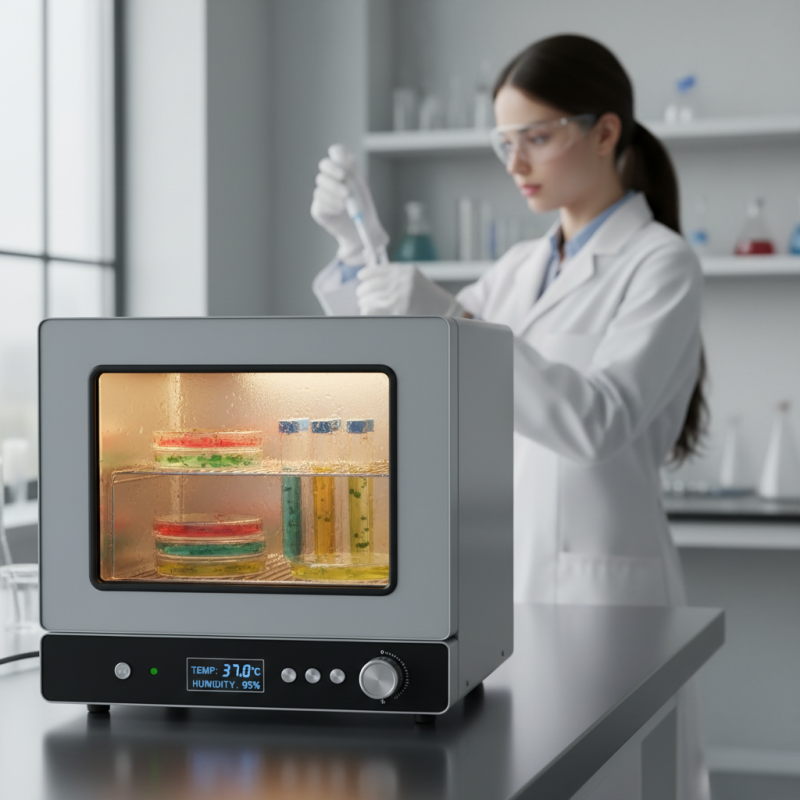
A small laboratory incubator is essential for various scientific applications. Its primary purpose is to maintain a controlled environment, ideal for growing cultures, such as bacteria or yeast. These devices create a consistent temperature and humidity level. This stability promotes the growth of microorganisms or plants.
Setting the right temperature is crucial. Too high or too low can ruin your samples. Incubators usually range from 20°C to 60°C. Checking the calibration regularly is smart. It ensures accuracy and reliability.
Tips: Always keep the door closed during the incubation process. Letting heat escape can affect your results. Additionally, avoid overcrowding the incubator. This may block airflow and lead to uneven temperatures. Maintaining a clean environment is also vital. Contamination can spoil your research.
Temperature Regulation in Small Laboratory Incubators
Key Components of Small Laboratory Incubators
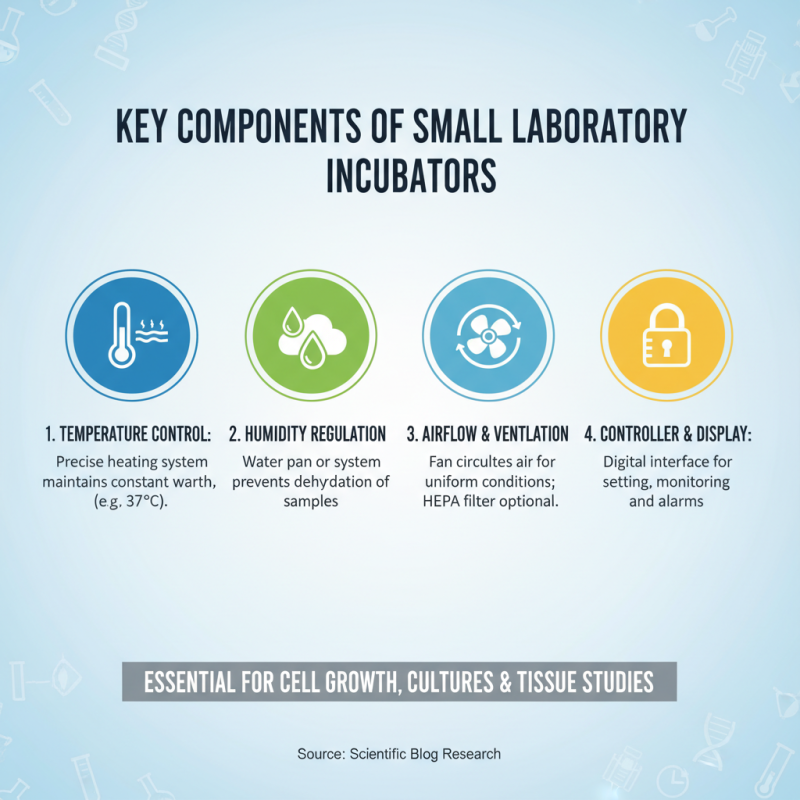
Small laboratory incubators are essential tools for various scientific processes. They create a controlled environment for growing cultures, cells, or tissues. Key components define how they function effectively.
A thermostat regulates temperature, ensuring optimal growth conditions. The heating element warms the chamber, while fans circulate air for even distribution. A reliable humidity control system maintains moisture levels, crucial for sensitive cultures. Light sources may also be included, especially for biological experiments requiring specific wavelengths.
**Tips:** Regularly calibrate the thermostat for accurate temperature readings. Check the humidity levels weekly. Consistent monitoring can prevent unexpected issues. Make sure the fan is functioning properly; it’s essential for uniform temperature.
Like any tool, incubators have limitations. Space can be an issue, limiting the number of samples. It’s easy to overcrowd, leading to inconsistent results. Plus, they require maintenance. Neglecting this can lead to equipment failure, impacting experiments. Always review your incubator’s performance.
Mechanism of Temperature and Humidity Control in Incubators
A small laboratory incubator is essential for various scientific tasks. It provides a controlled environment for biological samples. The mechanism of temperature and humidity control within these devices is crucial for their effectiveness.
Most incubators use a heating element to maintain temperature. This element warms the air inside the chamber. Thermostats help regulate the heat output, ensuring stability. However, fluctuations can occur. Users must monitor the temperature regularly. Sometimes, even minor changes can impact results.
For humidity control, many incubators employ a water reservoir. This reservoir adds moisture to the air. A pump may circulate the humid air throughout the incubator. Yet, not all designs work perfectly. Some may struggle to maintain consistent humidity levels. Users should check the water levels frequently.
**Tip:** Regularly calibrate your thermometer for more accurate readings.
Pay attention to how samples react under different conditions. Understand that small errors can lead to significant data discrepancies. Experimenting with settings can enhance the incubator's performance.
**Tip:** Keep a log of conditions and results. It helps identify patterns and improve future experiments.
What is a Small Laboratory Incubator and How Does It Work? - Mechanism of Temperature and Humidity Control in Incubators
| Feature |
Specification |
Functionality |
| Temperature Control Range |
5°C to 60°C |
Maintains optimal growth conditions for various organisms. |
| Humidity Control Range |
20% to 90% RH |
Ensures appropriate moisture levels for biological samples. |
| Interior Material |
Stainless Steel |
Durable and easy to clean, prevents contamination. |
| Power Supply |
220V/50Hz |
Standard power supply for laboratory equipment. |
| Thermal Stability |
±0.5°C |
Precise temperature maintenance for sensitive experiments. |
| Size |
50 L / 100 L / 200 L |
Variety of sizes to accommodate different laboratory needs. |
Typical Applications in Research and Clinical Labs
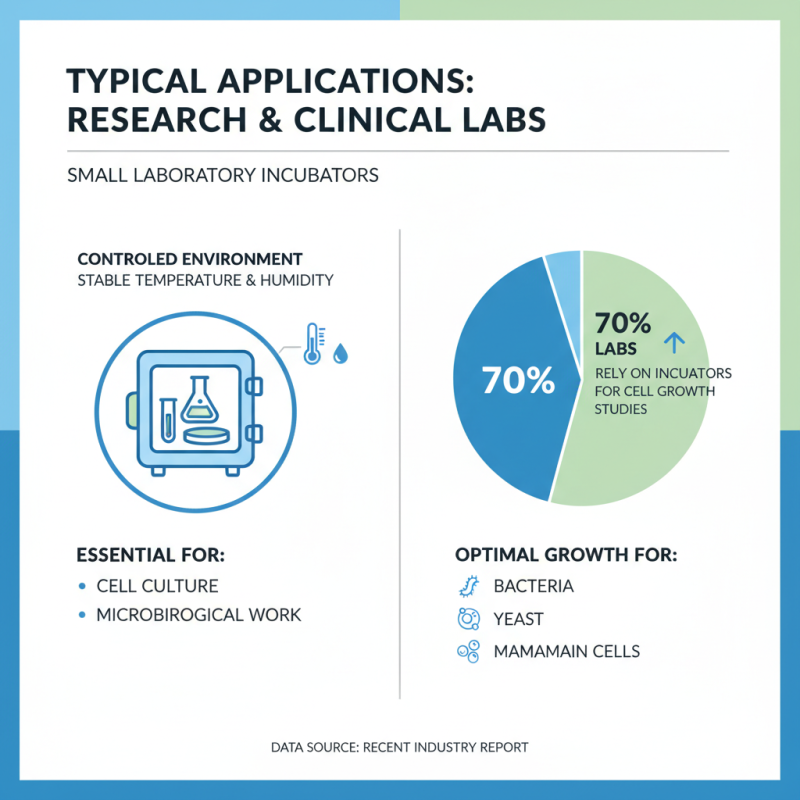
Small laboratory incubators play a crucial role in various research and clinical applications. These devices maintain a controlled environment, providing stable temperatures and humidity. They are essential for cell culture and microbiological work. In a laboratory setting, they can sustain optimal growth conditions for bacteria, yeast, and mammalian cells. A recent industry report highlighted that 70% of labs rely on incubators for cell growth studies.
Consider the applications in clinical labs. Medical researchers use incubators to cultivate pathogens for diagnostic purposes. They help in the early detection of infections. This is particularly important in understanding antibiotic resistance. According to a survey, around 40% of clinical labs reported increased throughput in their diagnostic processes due to efficient incubator use.
Despite their significant benefits, issues can arise with incubator performance. Calibration is vital for accuracy, yet it’s often overlooked. Improper calibration can lead to poor growth conditions. In some cases, researchers noted a 15% variance in cell growth. Such discrepancies highlight the need for regular checks. Maintaining these devices is as critical as their usage. Regular maintenance can improve reliability and outcomes in research and diagnostics.
Maintenance and Best Practices for Incubator Use
Maintaining a small laboratory incubator is crucial for reliable results. Regularly check its
temperature and
humidity levels. Ensure the incubator is level and has proper ventilation.
Uneven surfaces can lead to fluctuating conditions. Keep the internal space uncluttered for optimal airflow.
Cleaning is another essential practice. Wipe down surfaces with disinfectants regularly.
Accumulated debris can harbor unwanted contaminants. Be mindful of the materials you use for cleaning.
Some may damage sensitive surfaces. It’s wise to track any irregularities in readings or performance.
These notes help identify patterns over time.
Monitoring the incubator is key. An unreliable device can compromise experiments.
Always calibrate your equipment before crucial experiments. Bad calibrations lead to unexpected outcomes.
Small changes can significantly impact results. It's easy to overlook these details, but they matter.
Regular maintenance promotes a more efficient working environment.
Embrace a proactive approach to keep your incubator performing well.