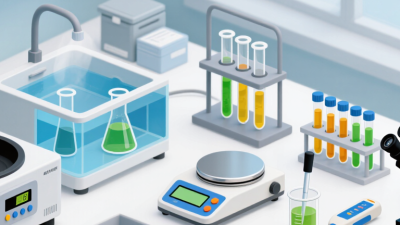
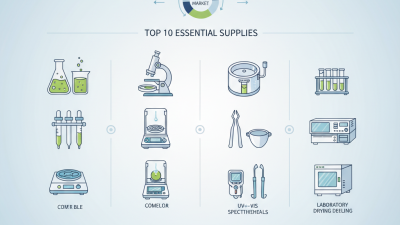
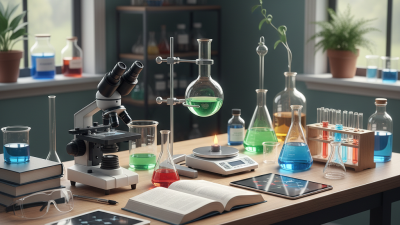
A research laboratory depends on more than sophisticated instruments. Buyers also need dependable everyday items, from pipette tips and sample tubes to gloves, labels, and cleaning materials. These supplies affect routine work: a poorly fitting tip can waste a sample, while unclear labels can slow handoffs. Small details matter.
The right Research Laboratory Supply list depends on the work being done, the equipment already in use, and how often items are replenished. A molecular biology team may prioritize sterile consumables and cold-storage boxes; an analytical lab may need calibrated balances, glassware, and compatible filtration products. Buyers should check dimensions, materials, sterility status, packaging, and equipment compatibility before ordering. Product specifications and quality records can help, but they do not replace careful evaluation by the lab.
Procurement decisions also involve storage space, delivery schedules, budget limits, and supplier consistency. Compare unit costs alongside pack sizes and expected usage. A lower price may not help if a product creates extra handling or does not fit existing workflows. Requirements can change, too. Teams sometimes discover that a familiar item is difficult to restock only after supplies run low. Reviewing consumption and asking users for feedback can prevent avoidable gaps, though no forecast is perfect. This guide outlines the main types of research laboratory supplies buyers may consider and the practical questions that help match products to real laboratory needs.

Routine laboratory work depends on small items that must be available, clean, and compatible with each procedure. Common consumables include pipette tips, sample tubes, culture plates, reagent reservoirs, gloves, wipes, filters, and labels. A misplaced label or poorly fitting tip can compromise a sample, even when larger equipment works perfectly. Keep frequently used sizes near the bench, and check that tubes and plates fit the instruments in use.
Consumables also create a substantial waste stream. Urbina and colleagues estimated that laboratories generate about 5.5 million tonnes of plastic waste annually, around 2% of global plastic waste (Nature, 2015). This estimate highlights a practical purchasing challenge: sterile, single-use items support contamination control, but unnecessary overstock can lead to expired supplies and avoidable disposal. Track usage and expiration dates, and select packaging sizes that match actual weekly demand. Forecasts are imperfect; a busy project can change the numbers quickly.
Tips: Store tips and tubes in dry, clearly labeled areas. Use a simple inventory sheet for minimum stock levels. Review the list monthly, and ask staff which items repeatedly run short. Small habits help. Check compatibility before changing a consumable, and follow your laboratory’s procedures for handling and disposing of used materials.
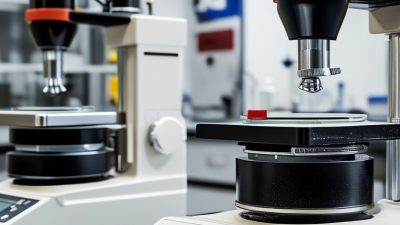
Research work depends on instruments that produce consistent measurements, not just impressive specifications. Analytical balances measure small masses, while pH meters track acidity in liquids. A calibrated thermometer or probe helps monitor sample temperature during storage and processing. Check the expected measurement range and resolution before choosing equipment. A display with many digits is not automatically more accurate.
Mixing tools should match the sample’s volume and texture. Vortex mixers suit small tubes, while magnetic stirrers handle liquids in beakers. Overhead mixers can manage thicker preparations. Gentle mixing matters for delicate samples; excessive speed may create foam or unwanted heating. Small details count. Confirm that containers fit securely and can be cleaned properly.
For processing, centrifuges separate components by spinning samples, and water baths or heating blocks provide controlled temperatures. Homogenizers break down tougher material, but they can warm samples and alter results if used carelessly. Keep routine maintenance and calibration in the purchasing plan, not as an afterthought. It is tempting to buy one versatile instrument for every task, yet that choice can create bottlenecks. A modest setup with clear operating limits may serve a lab better, though those limits should be reviewed as methods change.
Sample quality depends on choosing collection and storage supplies that match the specimen and test method. Buyers commonly need sterile swabs, leak-resistant specimen cups, suitable collection tubes, transfer pipettes, and legible labels. Small details matter. A tube intended for one sample type may alter another, so verify compatibility with the laboratory’s validated procedure.
Plebani’s review in Clinical Chemistry and Laboratory Medicine reported that preanalytical issues accounted for 46% to 68% of laboratory errors across cited studies. This range is not universal, but it shows why collection tools and handling deserve close attention. Labels should include a unique identifier and collection time. Use sealed secondary containers and absorbent material when specimens move between work areas. Labels are not decoration.
For storage, stock screw-cap cryovials or other validated containers, racks, temperature-monitored refrigerators or freezers, and clear inventory records. Do not assume colder is always better: acceptable conditions depend on the sample and downstream assay. The World Health Organization’s Guidance on Regulations for the Transport of Infectious Substances details packaging and transport controls; buyers should align supplies with those instructions and local laboratory procedures. A missed timestamp can still undermine a well-packed sample.
| Sample or workflow | Collection supplies | Storage supplies | Selection and handling notes |
|---|---|---|---|
| Whole blood | Sterile blood collection tubes; needles, holders, and tourniquets where applicable | Tightly closed, compatible tubes; secondary leak-resistant containers for transport | Choose the tube additive for the analysis: EDTA is commonly used for hematology, while citrate is used for many coagulation tests. Follow the method’s fill-volume and mixing instructions. |
| Serum or plasma | Serum tubes or anticoagulant-containing tubes, selected for the intended assay | Labeled aliquot tubes; freezer-rated tubes for frozen specimens | Serum and plasma are prepared differently. Separate and store samples according to the assay protocol; avoid repeated freeze-thaw cycles when sample integrity is important. |
| Urine | Clean, leak-resistant specimen cups or sterile containers when required | Sealed containers; aliquot tubes for separate tests or longer-term storage | Required preservatives and holding conditions depend on the analyte and test. Use a sterile container for microbiology workflows and follow the specified transport time and temperature. |
| Swabs and microbiology specimens | Sterile swabs and, when appropriate, transport medium and a leak-proof transport tube | Sealed specimen tubes or bags with absorbent material for transport | Select the swab material and transport medium for the organism or downstream method. Not every swab or medium is suitable for every culture or molecular assay. |
| Tissue and biopsy material | Sterile forceps, scissors, and specimen containers; fixative only when the workflow requires it | Leak-resistant containers, cryovials, or fixative-compatible containers as appropriate | Fresh, frozen, and fixed tissue are not interchangeable. Confirm the downstream analysis before collection, since fixatives can affect molecular and other assays. |
| DNA, RNA, and molecular samples | Nuclease-free tubes and filtered pipette tips; sterile collection tools where needed | Secure aliquot tubes; freezer-rated storage tubes for frozen material | Use nuclease-free supplies to reduce contamination risk. RNA is particularly susceptible to degradation, so follow validated handling, stabilization, and storage procedures. |
| Cell cultures and cell suspensions | Sterile culture vessels, serological pipettes, and conical centrifuge tubes | Validated cryogenic vials and appropriate controlled-rate freezing supplies for cryopreservation | Use sterile, cell-culture-compatible supplies. Cryopreservation conditions and protective media should be selected for the cell type and validated protocol. |
| General labeling and transport | Water-resistant labels, laboratory markers, and barcode labels where needed | Rack boxes, secondary containment, and insulated transport packaging as appropriate | Use labels that remain legible under the intended storage conditions. Record sample identity, collection details, and storage location using the laboratory’s tracking procedure. |
Storage temperatures, preservatives, and container compatibility depend on the sample type and downstream test. Follow the validated protocol and applicable biosafety and transport requirements.
Laboratory safety supplies should match the actual hazards, not a generic checklist. The CDC and NIH’s 2020 Biosafety in Microbiological and Biomedical Laboratories guidance places risk assessment at the center of selecting protective equipment and containment. In practice, that can mean splash goggles, a buttoned lab coat, and compatible gloves for routine liquid handling. A glove is not a force field. Replace it when torn or contaminated, and never assume one material protects against every chemical.
Needle and sharps safety deserves particular attention. CDC has cited an older estimate of about 385,000 needlestick injuries annually among hospital-based healthcare personnel; it is not a laboratory-only figure, but it shows why puncture-resistant disposal containers belong near work areas. For samples, buyers also need sealed transport containers, absorbent spill materials, clear labels, and temperature monitoring where storage conditions matter. Small details matter. A loose cap or unreadable label can compromise a sample even when staff wear full protective equipment. OSHA’s laboratory guidance also calls for suitable eyewash and safety shower access where hazardous exposures are possible. Equipment can be present yet poorly placed; checking reach, fit, and replenishment during routine inspections is easy to overlook.
Which safety supplies help protect laboratory personnel and samples?
The chart identifies whether each supply has a direct personnel-protection or sample-protection role. “Yes” indicates a typical function, not a measure of effectiveness. Actual protection depends on the hazard, correct selection, and proper use; follow laboratory risk assessments and applicable guidance.
What Types of Research Laboratory Supplies Do Buyers Need?
Matching laboratory supplies to research requirements starts with the procedure, not a catalog. List sample types, working volumes, temperature ranges, and handling steps. Then check whether tubes, plates, pipette tips, and storage containers suit those conditions. For example, a study involving repeated small-volume transfers may need low-retention tips and calibrated pipettes. Small details matter.
Compatibility deserves close attention. Confirm that container materials tolerate the samples and routine cleaning methods used in the lab. Check dimensions against centrifuge rotors, racks, and automated equipment. For cell-based work, review sterility and relevant product documentation; for measurements, consider calibration and the required level of precision. A product that looks suitable online may not fit an existing holder. Measure before ordering.
Purchasing decisions should also reflect workflow and consistency. Estimate how many items each experiment uses, then consider storage space, packaging, and replenishment time. When practical, test a modest quantity before committing to a larger order. Record the item specifications and lot details used in each study. A first choice may still prove awkward during daily work, and that is useful feedback. Revisit the selection when methods, sample volumes, or equipment change.
2106 N Glassell St, Orange, CA 92865
(714)-754-6669 | sale@site_be823a56-9df9-438e-acac-cd7d504ea0ad
Monday: 8:00 AM – 4:30 PM
Tuesday: 8:00 AM – 4:30 PM
Wednesday: 8:00 AM – 4:30 PM
Thursday: 8:00 AM – 4:30 PM
Friday: 8:00 AM – 4:30 PM