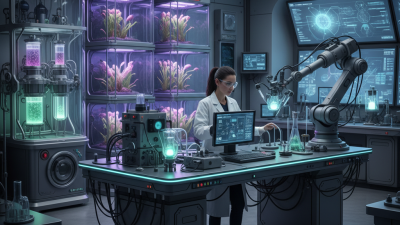
A laboratory’s work depends on more than its largest instruments. Small support tools help staff prepare samples, control conditions, measure materials, and keep records consistent. Other Laboratory Equipment is a broad category, so its contents can vary between a teaching lab, a research facility, and a quality-control workspace. The label is not always tidy. Still, understanding the main equipment groups makes it easier to plan a safe, efficient setup.
Common examples include centrifuges, water baths, shakers, balances, pH meters, microscopes, and laboratory refrigerators. Each serves a different purpose. A centrifuge separates sample components by spinning them at controlled speeds, while a water bath maintains a steady temperature for suitable procedures. Balances support accurate weighing, and pH meters help assess acidity. Simple details matter: a level bench, clean probe, or clearly labeled sample can affect results. Small things count.
This overview will examine the top types of Other Laboratory Equipment and explain what they do, where they are commonly used, and what to consider when selecting them. Specifications, maintenance needs, and compatibility with existing workflows deserve attention. Equipment should match the task, not just the available budget. No single list fits every lab, and that is worth remembering. Manufacturer guidance and qualified staff remain important sources when choosing or operating specialized devices.

“Other laboratory equipment” is a broad catalog label for tools that support laboratory work but do not fit neatly into a major equipment category. It may include tube racks, laboratory carts, drying racks, clamps, storage boxes, and small benchtop accessories.
A broad label. These items can be essential even when they do not measure samples or produce data.
A rack keeps tubes upright; a cart helps move supplies without crowding a workbench. The exact meaning varies between suppliers and laboratories, so the category itself is not a precise technical specification.
To decide whether an item belongs in this group, look at what it does, how it is used, and what conditions it must tolerate. A plastic tray used for clean glassware has different needs from a metal stand exposed to heat. Check dimensions, load limits, surface materials, cleaning instructions, and compatibility with nearby instruments.
These details affect safety and daily workflow. The boundary can be fuzzy, and a useful accessory may be listed elsewhere. That is worth checking.
Laboratory staff should confirm the item suits their procedure and maintenance routine, rather than relying on a broad category name alone. A clear description makes selection and replacement easier.
Laboratory safety depends on equipment that limits exposure and supports a quick response. An eyewash station should be reachable without moving boxes or stools. Its path needs to stay clear, and staff should know how to operate it. Safety showers serve a different purpose: they rinse larger areas of the body after a splash. Both need routine checks, since a blocked drain or weak water flow can turn a ready-looking station into a problem. Small details matter.
Fume hoods help capture chemical vapors when used with the sash at the recommended height. Biosafety cabinets provide containment for certain biological procedures, but they are not interchangeable with fume hoods. Staff should follow the cabinet’s operating guidance and avoid blocking its air grilles. Spill kits should match the materials handled in that room, with gloves, absorbent pads, and clear instructions available. Sharps containers belong close to the point of use and should be replaced before they become overfilled. Check labels and inspection dates, too. In practice, these are easy to overlook. Even a careful checklist can miss a poorly placed item, so teams should review their setup together.
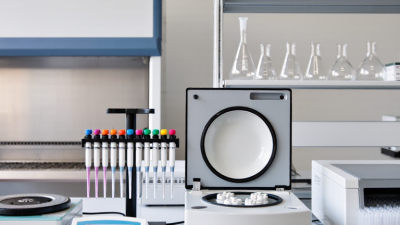
Sample preparation depends on equipment that controls volume, speed, temperature, and contact with each specimen. Adjustable pipettes handle small liquid volumes, while analytical balances weigh powders into clean boats. Centrifuges separate components; vortex mixers resuspend pellets in capped tubes. For tougher tissues, homogenizers create a more uniform mixture. Simple tube racks and chilled blocks also help keep samples organized and cool during transfer.
Equipment choice should match the sample and the next test. A rotor that fits the tubes, a balance with suitable readability, and pipettes checked on schedule can prevent avoidable variation. Plebani’s review in Clinical Chemistry and Laboratory Medicine reported that preanalytical issues accounted for 46–68.2% of laboratory errors (“Errors in Clinical Laboratories or Errors in Laboratory Medicine?”, 2006). That range is a useful warning, not a promise that equipment alone solves the problem. Small details matter.
Handling continues after preparation. Use clearly labeled, leak-resistant containers, change tips between transfers, and record each aliquot’s location and preparation time. Cold blocks can limit warming during short bench steps, but they do not replace validated storage conditions. The workflow is not perfect; handwritten notes, crowded benches, and rushed transfers still invite mistakes. A quick pause to confirm the tube label and balance reading can be worthwhile.
| Equipment Type | Primary Function | Typical Samples or Applications | Key Handling Considerations |
|---|---|---|---|
| Analytical Balance | Measures small masses with high precision for preparing reagents and sample portions. | Powders, reference materials, chemical reagents, and dried specimens. | Place on a stable, level surface; minimize drafts and vibration; use clean weighing vessels and allow samples to reach room temperature when appropriate. |
| Laboratory Centrifuge | Separates components by centrifugal force, such as cells from liquid or precipitates from supernatant. | Blood fractions, cell suspensions, precipitated compounds, and tissue homogenates. | Balance opposing tubes by mass, use compatible tubes and rotors, and follow the rotor's speed limits and safety instructions. |
| Vortex Mixer | Rapidly mixes liquids in tubes using a circular, oscillating motion. | Buffered solutions, reagent mixtures, and small-volume suspensions. | Secure the tube and cap, select a suitable mixing intensity, and avoid vigorous mixing when samples are shear-sensitive or prone to foaming. |
| Orbital Shaker | Provides continuous, controlled agitation to mix samples or support aeration during incubation. | Culture flasks, solution preparations, and multi-vessel batch samples. | Balance the load across the platform, secure vessels, and choose a speed that limits splashing and excessive foaming. |
| Water Bath | Maintains samples at a relatively uniform temperature for warming, incubation, or thawing. | Reagent bottles, sample tubes, and temperature-sensitive laboratory preparations. | Check the bath temperature with an appropriate thermometer; keep containers sealed when suitable and prevent bath water from contaminating samples. |
| Homogenizer | Breaks down or disperses material to create a more uniform sample. | Soft tissues, food materials, biological specimens, and suspensions. | Match the probe or vessel to the sample volume, clean the probe between samples, and manage heat generation during processing. |
| Ultrasonic Cleaner or Sonicator | Uses ultrasonic energy for cleaning small items or, with a suitable probe system, disrupting and dispersing samples. | Reusable laboratory items, particle dispersions, and selected cell or tissue preparations. | Use the appropriate device for the task; sonication can heat samples, so consider cooling and limit exposure to protect temperature-sensitive material. |
| Micropipette | Transfers measured microliter volumes of liquid. | Reagents, biological fluids, standards, and aliquots for analytical procedures. | Use a compatible disposable tip, keep the pipette upright while aspirating, and select a pipette whose operating range includes the target volume. |
| Tube Rotator | Gently mixes samples by rotating tubes or bottles over time. | Suspensions, binding reactions, and samples requiring low-shear mixing. | Secure containers and select a rotation speed that keeps the sample mixed without leaking or creating excessive bubbles. |
| Dry-Block Heater | Heats tubes or plates to a controlled set temperature using a metal block. | Enzyme reactions, sample incubations, and controlled heating of small-volume preparations. | Use a block that fits the vessel, verify temperature when required, and avoid placing wet or incompatible containers in the block. |
Laboratory conditions can affect sample stability, instrument performance, and the repeatability of results.
Digital thermometers track room or storage temperatures, while probe sensors can check temperatures inside baths and incubators.
Hygrometers measure moisture in the air, which matters when materials absorb water or equipment is sensitive to humidity. Barometers monitor pressure, and differential pressure gauges can help assess airflow between controlled rooms.
Data loggers record readings over time, revealing changes that a single daily check may miss. Some systems trigger alarms when readings move beyond set limits. Placement matters. A sensor beside a doorway or heating vent may report a poor picture of the whole room. Choose locations based on the materials and equipment being monitored, then document them clearly. Check instruments against suitable reference standards at planned intervals, and keep calibration records. A displayed reading is not automatically an accurate one.
Review trends, not just alarm events.
A slow temperature rise overnight may signal a failing refrigerator seal before samples are affected. Limits should match the laboratory method and equipment instructions; one range does not suit every workspace. No monitoring setup is perfect. Sensors can drift, and staff can overlook alerts, so periodic checks and clear response steps remain essential.
Laboratory cleaning starts with the right equipment: sink-side brushes, ultrasonic cleaners, and washer-disinfectors for compatible glassware and instruments. An ultrasonic bath can loosen residue from narrow joints, but it does not sterilize items; cleaning and sterilization are separate steps. Autoclaves use validated steam cycles, while heat-sensitive materials may require another validated process. Check load placement, packaging, and cycle records, because a crowded chamber can interfere with steam contact. Small details matter.
Monitoring should match the equipment and the risk. The CDC’s Guideline for Disinfection and Sterilization in Healthcare Facilities recommends biological indicators at least weekly for sterilizers, and for every load containing implantable items. That guidance is healthcare-focused, so laboratories should follow applicable institutional protocols and validate their own processes rather than copy a cycle blindly. Storage matters too: keep processed items dry, protected from dust, and in intact packaging. CDC guidance describes event-related sterility, where package integrity and storage conditions—not a single universal expiry date—determine whether an item remains usable. A damp or torn wrapper needs attention. Some labs still rely on handwritten labels that are hard to read; that is worth improving.
2106 N Glassell St, Orange, CA 92865
(714)-754-6669 | sale@site_be823a56-9df9-438e-acac-cd7d504ea0ad
Monday: 8:00 AM – 4:30 PM
Tuesday: 8:00 AM – 4:30 PM
Wednesday: 8:00 AM – 4:30 PM
Thursday: 8:00 AM – 4:30 PM
Friday: 8:00 AM – 4:30 PM