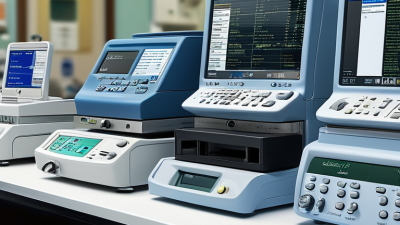
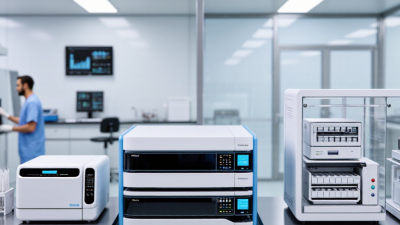
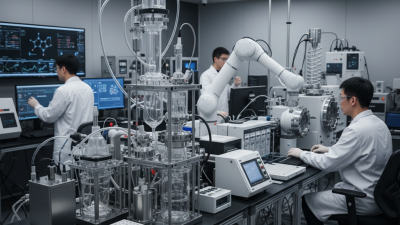
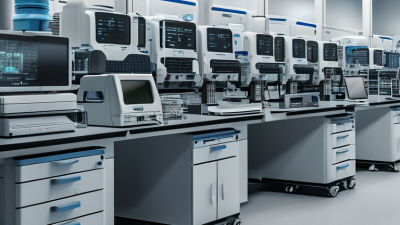
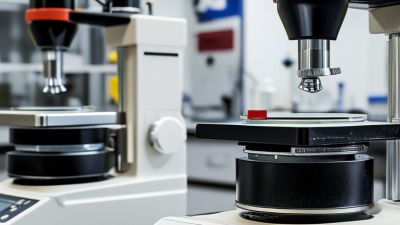
A modern medical laboratory depends on equipment that turns carefully collected samples into dependable results. The right Medical Laboratory Machines support each step, from preparing specimens to measuring cells, chemicals, or microorganisms. A microscope can reveal details invisible to the eye, while a centrifuge separates samples into distinct layers. An automated analyzer may process many tests, but its results still depend on correct setup, calibration, and quality controls. Small details matter.
This guide introduces ten widely used machines, including hematology and chemistry analyzers, incubators, autoclaves, and refrigerators. Each serves a different purpose, and no single configuration fits every laboratory. A busy hospital lab may prioritize throughput and rapid service support. A smaller facility may need compact equipment, straightforward maintenance, and test menus suited to its patients. Buyers should compare sample capacity, operating costs, training needs, power requirements, and access to technical support. They should also confirm that selected instruments meet applicable standards and the laboratory’s quality procedures. Specifications alone can be misleading; the cheapest unit may demand costly upkeep, while a sophisticated system may exceed actual needs. No model is perfect. Workflows change, and even a well-chosen instrument needs routine checks. The following overview offers a practical starting point for comparing capabilities and trade-offs, not a substitute for local validation or professional guidance.
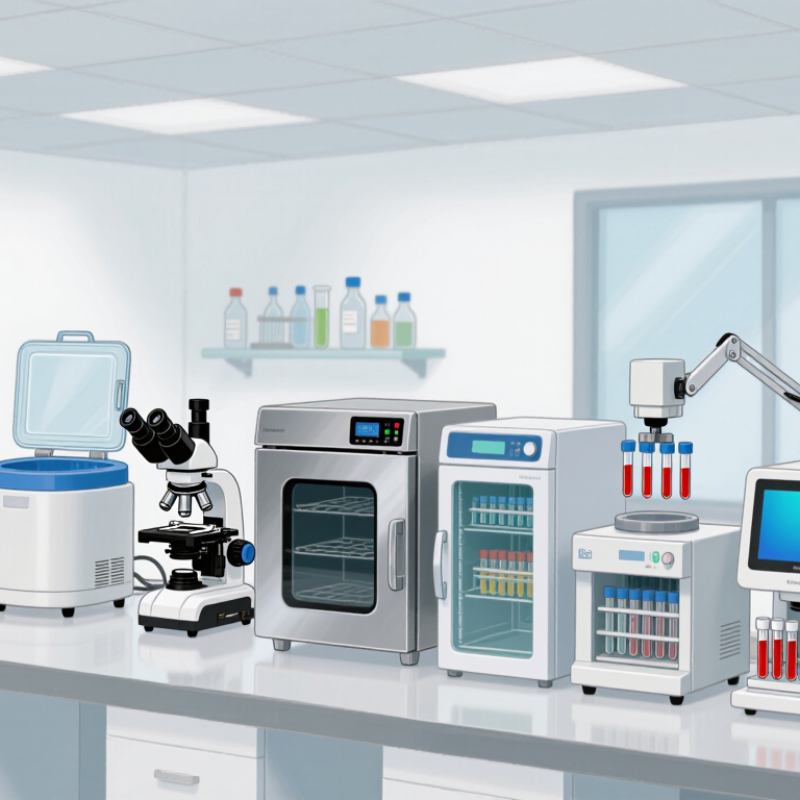
Medical laboratory machines help convert patient samples into measurable evidence for diagnosis. A centrifuge separates blood components, while a hematology analyzer counts cells in a measured volume. A clinical chemistry analyzer can assess substances such as glucose or enzymes. Microscopes let trained staff inspect cells and organisms directly. Each instrument answers a different question.
The result depends on more than the machine. Staff check sample labels, monitor temperatures, and use quality-control materials to spot shifts in performance. Small details matter. A delayed sample or a poorly mixed tube can affect a result. Calibration and maintenance records help laboratories judge whether readings remain dependable. Even then, instruments are not infallible; unusual findings may need repeat testing or review by qualified personnel. That extra step can feel slow on a busy shift, but speed alone is not a reliable measure of diagnostic quality. When machines, procedures, and careful interpretation work together, clinicians receive clearer information for patient care.
Example outputs in representative diagnostic tests or panels
The bars show the number of measurements, targets, or fractions in the example test listed for each instrument type—not instrument capacity. Actual panels and reportable results vary by laboratory and test configuration.
Choosing laboratory equipment starts with the work your lab actually performs, not the longest feature list. Match each machine to your test menu, sample types, and daily workload. A small clinic processing routine blood counts may value a compact analyzer more than a high-throughput system built for continuous use. Fit matters.
Check performance details that affect results. Review measurement ranges, detection limits, required sample volume, and quality-control procedures. Ask how often calibration is needed and whether staff can complete routine maintenance safely. A machine that runs quickly is not useful if its results are hard to verify or its upkeep disrupts the workday. Small details count.
Room conditions matter, too. Measure bench space, power access, ventilation needs, and clearance for loading samples or replacing consumables. Consider whether the equipment can connect with the lab’s information systems and whether service support is available when something fails. During evaluation, request a demonstration using representative samples and have intended users try common tasks. Specifications can look reassuring on paper. They do not always reveal awkward menus, noisy operation, or slow troubleshooting. I would also compare total operating costs, not just purchase price. Some estimates will be imperfect; document assumptions and revisit them after real workloads are measured.
A medical laboratory depends on machines that produce useful results and support safe handling. A microscope lets staff examine blood cells, urine sediment, and stained slides by eye. A centrifuge separates samples into layers, making serum or plasma easier to test. A hematology analyzer counts blood cells and flags patterns that may need manual review. A clinical chemistry analyzer measures substances such as glucose and enzymes in patient samples. Small details matter: a balanced rotor and correctly labeled tubes help prevent avoidable errors.
A coagulation analyzer measures how quickly blood clots, while an immunoassay analyzer detects selected hormones, proteins, or infection markers. An incubator maintains a controlled temperature for procedures that require it. A biosafety cabinet helps contain aerosols during specific sample-handling tasks; it does not replace good technique. An autoclave uses validated heat and pressure cycles to sterilize suitable instruments and materials. Micropipettes deliver small liquid volumes, so regular calibration and careful tip changes are essential.
Tiny volumes, big consequences.
No equipment list fits every laboratory. Test menus, sample volumes, staffing, and maintenance capacity should guide purchasing decisions. Even a sophisticated analyzer can mislead when controls are skipped or results are accepted without review. In practice, the best machine is one the team can operate consistently, maintain properly, and verify against documented procedures. That sounds obvious, yet busy benches do not always make it easy.
Choosing laboratory machines begins with the tests patients actually need, not a glossy equipment list. A complete blood count workload may justify a hematology analyzer, while metabolic panels need a chemistry analyzer. Coagulation, immunoassay, and molecular testing each require different workflows, reagents, and quality controls. WHO’s 2023 Essential Diagnostics List organizes tests by clinical need and care level, a useful framework for matching instruments to a lab’s role. CDC has reported that laboratory results inform about 70% of medical decisions, underscoring why reliable turnaround and accuracy matter. The neat spreadsheet can mislead.
Before buying, measure daily sample volume, peak-hour demand, test menus, staffing, and available bench space. A compact analyzer may suit a clinic with modest volume; a larger system can reduce bottlenecks in a busy hospital lab. Check calibration needs, consumable storage, maintenance access, and whether results connect with existing information systems. Ask for local service response times, not only advertised uptime. Small details matter.
Independent proficiency-testing results and internal quality-control trends can help assess analytical performance after installation. Compare these with the instrument’s intended use and the lab’s validated procedures. CAP’s proficiency-testing program evaluates laboratory performance across many testing specialties, offering useful context for quality planning. Still, no machine fixes poor sample handling. I would revisit the choice after several months, because real workloads rarely match forecasts exactly.
| Laboratory Machine | Primary Testing Need | Typical Specimens | How It Works | Common Applications | Key Selection Considerations |
|---|---|---|---|---|---|
| Automated Clinical Chemistry Analyzer | Routine measurement of chemical substances in blood and other body fluids | Serum, plasma, urine | Uses photometric, turbidimetric, or ion-selective electrode methods, depending on the assay | Glucose, electrolytes, liver enzymes, kidney markers, lipids, and proteins | Consider test menu, sample and reagent capacity, calibration requirements, and compatibility with the laboratory information system. |
| Automated Hematology Analyzer | Cell counts and basic assessment of blood-cell populations | Whole blood collected in an anticoagulant tube | Uses electrical impedance and/or optical methods to count and classify blood cells | Complete blood counts, red-cell indices, platelet counts, and leukocyte differentials | Check the differential capability, flagging and review workflow, daily sample volume, and need for manual smear review. |
| Immunoassay Analyzer | Detection or measurement of hormones, proteins, antibodies, and other analytes | Serum, plasma, and sometimes other validated specimen types | Uses antigen–antibody binding, with signals measured by methods such as chemiluminescence or fluorescence | Thyroid testing, fertility hormones, cardiac markers, infectious-disease markers, and tumor markers | Assess assay availability, analytical sensitivity, turnaround time, reagent storage, and whether tests are run continuously or in batches. |
| Coagulation Analyzer | Assessment of blood-clotting pathways and anticoagulant monitoring | Plasma collected in a citrate tube | Measures clot formation using mechanical, optical, or other validated clot-detection methods | Prothrombin time, activated partial thromboplastin time, fibrinogen, and D-dimer testing | Consider test menu, handling of hemolyzed or lipemic samples, quality-control needs, and the volume of urgent testing. |
| Blood Gas Analyzer | Rapid evaluation of oxygenation, ventilation, and acid–base status | Arterial or venous whole blood in a heparinized syringe or approved collection device | Uses selective electrodes and sensors to measure blood gases, pH, and, on some systems, additional parameters | Assessment of pH, carbon dioxide, oxygen, bicarbonate-related values, and lactate where supported | Review sample stability requirements, cartridge or reagent workflow, bedside versus central-lab use, and available measured parameters. |
| Automated Urinalysis Analyzer | Screening of urine chemistry and formed elements | Fresh urine | Combines reagent-strip reflectance reading with digital imaging or flow-based analysis on some systems | Detection of blood, protein, glucose, leukocytes, bacteria, and urinary sediment elements | Consider whether chemical and microscopic analysis are integrated, sediment review needs, specimen throughput, and reflex-testing rules. |
| Real-Time PCR System | Detection or quantification of target nucleic-acid sequences | Extracted DNA or RNA from validated specimens | Amplifies nucleic acids and monitors fluorescent signal during each amplification cycle | Pathogen detection, selected genetic tests, and gene-expression applications | Plan for contamination control, extraction workflow, assay validation, controls, throughput, and separation of pre- and post-amplification areas. |
| Automated Blood Culture System | Detection of microorganisms in blood cultures | Blood inoculated into culture bottles | Incubates bottles and monitors signals associated with microbial growth | Investigation of bloodstream infections and sepsis | Evaluate bottle capacity, continuous-monitoring workflow, notification procedures for positive cultures, and integration with identification and susceptibility testing. |
| Automated Microbiology Identification and Susceptibility System | Identification of cultured microorganisms and antimicrobial susceptibility testing | Pure microbial isolates prepared from culture | Uses biochemical reactions and/or growth responses to identify organisms and assess susceptibility to antimicrobial agents | Clinical isolate identification and antimicrobial susceptibility reporting | Check organism coverage, available antimicrobial panels, local validation requirements, reporting rules, and the need for confirmatory methods. |
| Laboratory Centrifuge | Separation of sample components before analysis | Whole blood, urine, and other compatible laboratory specimens | Applies centrifugal force to separate components according to their density | Preparation of serum or plasma, urine sediment concentration, and other sample-processing steps | Choose rotor type and capacity to match tubes and protocols; follow the specified relative centrifugal force, balancing, and biosafety procedures. |
Capabilities and throughput vary by configuration, assay, specimen type, and laboratory workflow. Select equipment based on validated testing requirements, applicable regulations, maintenance support, and quality-control procedures.
Safe operation starts before a sample reaches an analyzer. Check the instrument’s condition, confirm the correct rotor or accessories, and inspect tubes for cracks or leaks. Keep guards in place, balance centrifuge loads, and use appropriate protective equipment when handling specimens. The World Health Organization’s Laboratory Biosafety Manual, fourth edition, recommends risk-based controls rather than one rule for every procedure. That means a splash-prone task may need different precautions from routine pipetting.
Calibration protects the decisions made from test results. Record dates, reference materials, acceptance limits, and corrective actions; never adjust a result just to make it pass. Plebani’s review in Clinical Chemistry and Laboratory Medicine reported that preanalytical errors accounted for 46–68.2% of laboratory errors across cited studies. Small details matter. Confirm patient and specimen identifiers, and note delays or temperature changes. For pipettes, balances, and analyzers, follow documented calibration intervals and verify performance after repairs or failed quality controls. Clean equipment as specified, clear vents, and check cables, seals, and waste containers during routine inspections. A rushed check can look complete on paper, yet miss a loose fitting. It is worth asking whether the checklist reflects actual bench work, not just the audit file.
2106 N Glassell St, Orange, CA 92865
(714)-754-6669 | sale@site_be823a56-9df9-438e-acac-cd7d504ea0ad
Monday: 8:00 AM – 4:30 PM
Tuesday: 8:00 AM – 4:30 PM
Wednesday: 8:00 AM – 4:30 PM
Thursday: 8:00 AM – 4:30 PM
Friday: 8:00 AM – 4:30 PM