What Are the Top Instruments for Laboratory Use?

Choosing the right laboratory equipment begins with understanding the work, not following a fashionable checklist. Instruments For Laboratory use must match the sample type, measurement range, accuracy requirements, and available workspace. A calibrated analytical balance can measure tiny mass differences, while a compound microscope reveals cellular details through carefully prepared slides. Micropipettes support repeatable liquid handling, but only when their volume settings, tips, and maintenance records are controlled. Small errors matter.

This guide examines the top instruments used across teaching, clinical, environmental, and research laboratories. It considers practical performance, safety, durability, cleaning requirements, and calibration support. Centrifuges separate samples through controlled spinning, while spectrophotometers measure light absorption in clear cuvettes. Fume hoods help protect users from hazardous vapors when correctly installed and tested. The best choice is rarely the most expensive model. It is the instrument that produces dependable results within its intended limits. Manufacturer documentation and recognized laboratory procedures should guide every purchase. Real laboratory conditions can be less orderly than product brochures suggest. Space, training time, power stability, and service access may change the decision. A reliable instrument still needs a careful operator. That part is easy to underestimate.
What Are the Top Instruments for Laboratory Use?

Categories of Laboratory Instruments and Their Primary Functions

What Are the Top Instruments for Laboratory Use?

Categories of Laboratory Instruments and Their Primary Functions

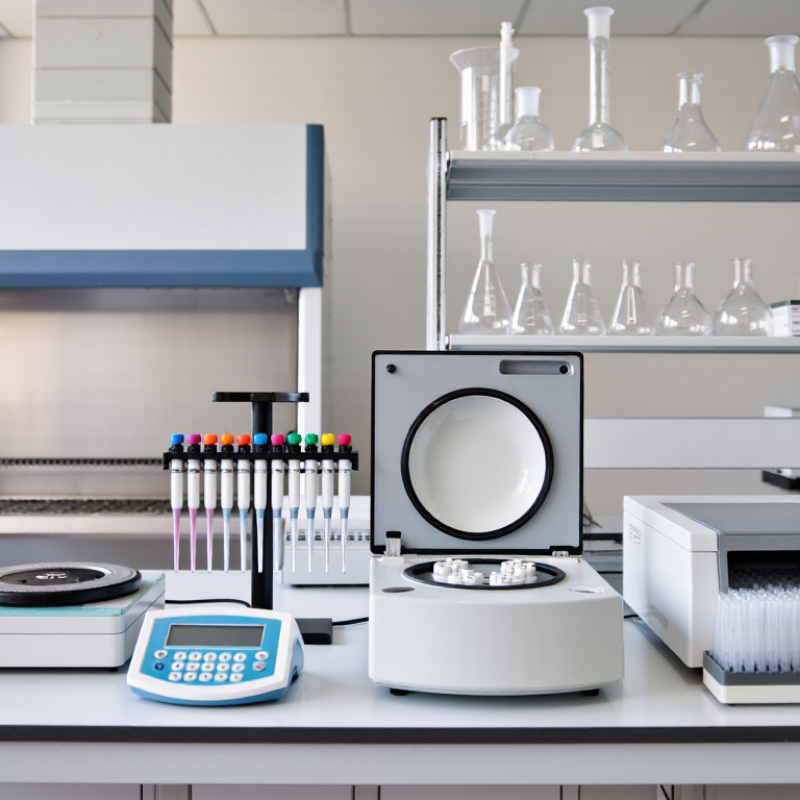
Laboratory instruments are grouped by the work they perform. Balance systems measure mass, from tiny powder samples to prepared containers. Microscopes enlarge cells, fibers, crystals, and surface details for visual examination. Centrifuges separate materials by density. A properly balanced rotor is essential for stable operation and reliable results.

Some instruments control temperature and environmental conditions. Ovens provide dry heat for sterilization and sample preparation, while incubators maintain steady conditions for controlled biological growth. Water baths heat samples gently and evenly.

Refrigerators and freezers preserve temperature-sensitive materials. Temperature logs matter more than many users expect.

Analytical instruments produce numerical data. Spectrophotometers estimate concentration by measuring light absorption. pH meters assess acidity or alkalinity through an electrode. Chromatographic systems separate components within complex mixtures. Pipettes transfer measured liquid volumes, but technique strongly affects accuracy.

I have seen small handling errors create large differences between repeated tests. Regular calibration, clean work surfaces, and documented procedures reduce these problems. No instrument is automatically reliable. Even experienced staff should question unusual readings, inspect damaged parts, and repeat uncertain measurements when appropriate. Some procedures still depend on judgment, especially when samples are cloudy, unstable, or poorly prepared.

Essential Instruments for Measuring, Observing, and Analyzing Samples

What Are the Top Instruments for Laboratory Use?

Essential Instruments for Measuring, Observing, and Analyzing Samples

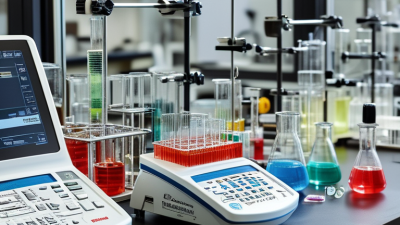
Reliable laboratory work begins with accurate measurement. An analytical balance measures small mass changes, while calibrated pipettes transfer precise liquid volumes. A pH meter helps monitor acidity in solutions, but its readings depend on proper calibration and clean electrodes. These tools often reveal problems before testing is complete. Small errors matter.

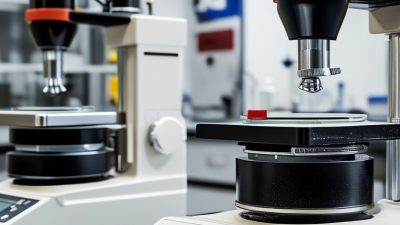
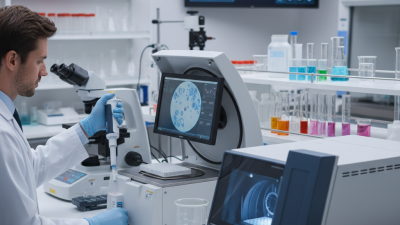
Observation requires a clear view of the sample. A light microscope can show cells, particles, and surface structures. For stronger detail, an optical imaging system may provide improved contrast and magnification. A centrifuge separates sample components by density, making later analysis easier. I have learned that balance and vibration can affect results more than expected. The room itself can become part of the experiment.

Tips: Check calibration records before use. Use clean, compatible containers. Label every sample immediately. For optical instruments, clean lenses with approved materials only. Run a control sample when possible. Never ignore an unusual reading; repeat the measurement and inspect the instrument. Keep notes about temperature, timing, and sample condition. Perfect results are uncommon. Careful records make mistakes easier to find.

Specialized Tools for Heating, Mixing, Separating, and Preparing Materials

In a working laboratory, specialized instruments turn raw materials into measurable samples. A controlled heating block or water bath provides steady temperature without direct flame. For volatile or heat-sensitive materials, gentle heating reduces sudden boiling and uneven reactions. I check the displayed temperature with an independent thermometer because sensors can drift. That extra check matters.

Magnetic stirrers, overhead mixers, and orbital shakers serve different mixing tasks. A magnetic stirrer suits low-viscosity liquids, while an overhead mixer handles thicker suspensions. Vessel shape, fill volume, and stirring speed affect final uniformity. Slow is safer. Fast mixing may introduce bubbles or damage fragile particles. Separation tools help isolate useful fractions from complex mixtures. Centrifuges separate materials by density, while filtration assemblies rely on pore size and pressure.

For solvent-based work, compatible containers and suitable ventilation are essential. I record rotor speed, heating time, sample mass, and preparation date. These details make results easier to compare and reproduce. Preparation instruments include balances, grinders, homogenizers, and controlled drying chambers. A precise balance is useless if drafts or wet samples affect the reading. Likewise, a grinder can overheat a sample and alter its properties. I once treated preparation as a routine step; that was a mistake. Small handling choices often shape later measurements. Equipment manuals and validated procedures should guide each setup, while practical judgment remains necessary.

Factors for Selecting Safe, Accurate, and Reliable Laboratory Instruments

What Are the Top Instruments for Laboratory Use?

Factors for Selecting Safe, Accurate, and Reliable Laboratory Instruments

Laboratories often depend on balances, pH meters, centrifuges, microscopes, and temperature-controlled chambers. The best instrument depends on the task, sample type, and required measurement range. Accuracy begins with clear specifications, not attractive features. Check resolution, repeatability, operating limits, and calibration requirements before purchasing. A balance beside an open window may produce unstable readings. Small details matter.

Safety should guide every decision. Look for protective covers, secure lids, temperature alarms, electrical protection, and automatic shutoff functions. Centrifuges need strong containment and reliable imbalance detection. Heated equipment should control temperature evenly, especially near delicate samples. Ask whether staff can clean, inspect, and operate the instrument without confusion. A complicated interface can create avoidable mistakes.

Tips: Compare independent test data and calibration records. Confirm that replacement parts and technical support are available. Keep usage logs, even for simple devices. A perfect instrument does not exist. In practice, maintenance often matters as much as initial accuracy. I have seen dependable equipment lose reliability because users skipped routine checks. Review measurement uncertainty, train each operator, and question results that seem unusually convenient. A second measurement may reveal a hidden problem.

Proper Use, Maintenance, and Calibration of Laboratory Equipment

What Are the Top Instruments for Laboratory Use?

Proper Use, Maintenance, and Calibration of Laboratory Equipment

Reliable laboratory work depends on using the right instrument for each measurement. Analytical balances support precise weighing, while pipettes deliver controlled liquid volumes. Centrifuges separate samples efficiently, and microscopes reveal structures invisible to the naked eye. pH meters help monitor chemical conditions. Each instrument requires trained handling, clear procedures, and suitable protective equipment. A balance should sit on a stable bench, away from vibration and airflow. Pipettes need steady thumb pressure and vertical positioning during aspiration.

Clean equipment after every practical session. Remove spills immediately, especially from metal surfaces and optical components. Use cleaning materials recommended in the instrument’s procedure, not convenient substitutes. Check cables, seals, rotors, probes, and display readings before operation. A damaged centrifuge rotor can create serious risks. Never ignore unusual noise, drifting readings, or cracked glassware. Small defects become expensive failures.

Calibration should follow a documented, risk-based schedule. Compare balances with traceable reference weights, and verify pipettes using gravimetric testing. pH meters require fresh standards and careful electrode conditioning. Record the date, operator, reference materials, results, and corrective actions. Environmental factors matter. Temperature changes can affect volume and mass measurements. In practice, even careful teams miss a cleaning step or record a value incorrectly. That is worth reviewing, not hiding. If results fall outside acceptance limits, label the instrument clearly and remove it from service until qualified personnel assess it. Loose records weaken trust. Clear records protect it.

What Are the Top Instruments for Laboratory Use?

Proper use, preventive maintenance, and periodic calibration help laboratories keep measurements reliable. The chart shows common calibration intervals used in laboratory quality programs; actual intervals should be set according to risk, usage frequency, measurement uncertainty, and applicable procedures.

Routine care includes cleaning measurement surfaces, checking performance with suitable standards, recording maintenance activities, and removing equipment from service when results fall outside acceptance limits. Calibration intervals are not universal and should be reviewed using laboratory quality-system data.