Why Are Medical Laboratory Materials Important?
Medical Laboratory Materials are easy to overlook: a blood collection tube, a clean pipette tip, or a correctly stored reagent may seem routine. Yet each can affect whether a sample is collected, processed, and tested consistently. These materials support work across the testing process, from specimen handling to result verification. Small details matter.
The scale of the need is substantial. The 2021 Lancet Commission on Diagnostics estimated that 47% of people worldwide had little or no access to basic diagnostic services. Its report highlights access gaps, not the performance of any particular supply. Still, dependable materials are one practical part of making laboratory testing available and reliable. A mislabeled tube, expired reagent, or poorly stored control can prompt repeat work and delay results. Not every error begins with a material, of course. Staff training, equipment maintenance, and clear procedures matter too.
Quality standards provide useful context. ISO 15189:2022 sets requirements for medical laboratory quality and competence, including processes that affect the validity of results. In practice, choosing suitable Medical Laboratory Materials means considering intended use, compatibility, traceability, storage conditions, and supplier documentation. A box of gloves or a rack of sample tubes is not just inventory. It is part of a controlled workflow. The details can feel mundane. They deserve review. This introduction examines why these materials matter, how they support accurate testing, and what laboratories should consider when selecting and managing them.
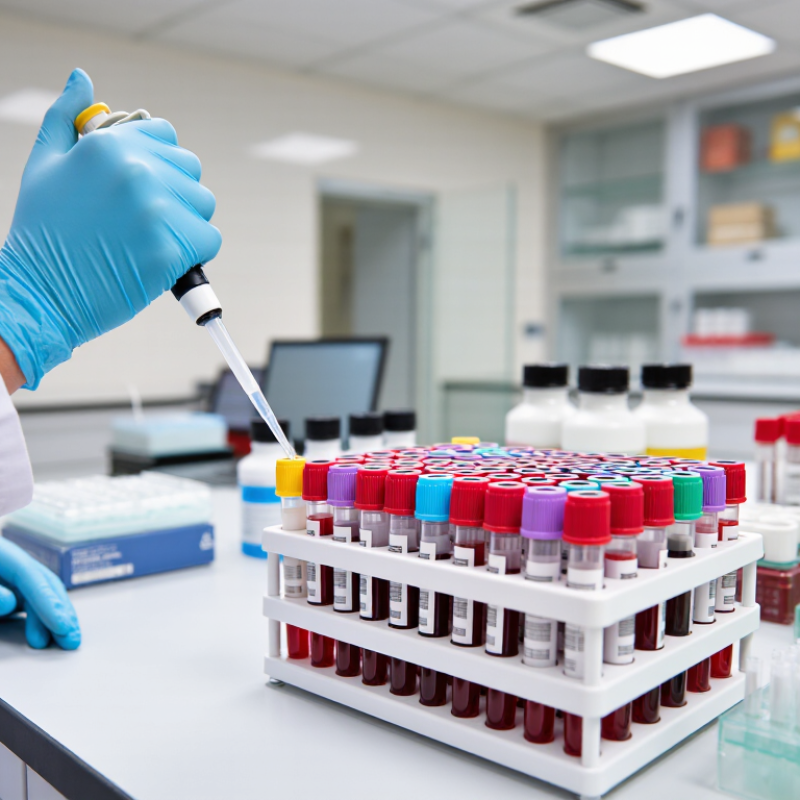
What Medical Laboratory Materials Include: Reagents, Consumables, and Instruments
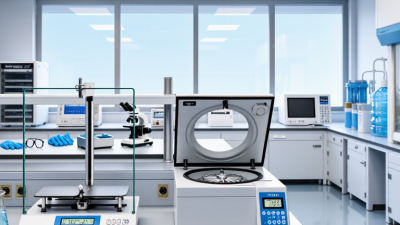
Medical laboratory materials work as a system. Reagents create the chemical or biological response measured by an assay. Consumables—such as pipette tips, tubes, and specimen containers—help control handling and contamination. Instruments then measure signals, from a faint color change to fluorescence, and turn them into results. Small details matter. A poorly matched tube or expired reagent can disrupt a workflow, even when the analyzer is functioning correctly.
The World Health Organization’s 2023 Model List of Essential In Vitro Diagnostics identifies 125 essential diagnostic tests. That range reflects varied testing needs, not one universal setup: a blood-count analyzer, for example, requires different materials from a molecular test. The CDC estimates that about 1 in 31 hospitalized patients has at least one healthcare-associated infection on any given day. This does not mean laboratory materials cause or prevent every infection, but it underscores why safe specimen handling and dependable testing processes matter. In practice, teams check lot numbers, expiry dates, storage temperatures, and instrument quality-control records. It is easy to treat these checks as routine paperwork. They are not always routine in a busy lab, and that gap deserves attention.
Why Are Medical Laboratory Materials Important? - What Medical Laboratory Materials Include: Reagents, Consumables, and Instruments
| Material Category | Examples | Primary Function | Common Laboratory Uses | Key Quality and Handling Considerations |
|---|---|---|---|---|
| Reagents | Buffers, stains, enzymes, antibodies, lysis solutions, and assay-specific chemicals | Enable or support chemical and biological reactions used to detect, identify, or measure analytes. | Clinical chemistry, hematology, immunoassays, microbiology, and molecular testing | Check lot number and expiry date; store and prepare according to the product instructions; use appropriate controls to verify test performance. |
| Calibrators and controls | Calibration materials and positive, negative, or concentration-level control samples | Support measurement calibration and help monitor whether an analytical process is performing as expected. | Analyzer calibration, assay verification, and routine quality control | Use the materials specified for the method, follow preparation and storage instructions, and review control results before reporting patient results. |
| Specimen collection consumables | Collection tubes, swabs, specimen containers, and transfer devices | Collect, contain, and transport patient specimens while helping preserve sample suitability. | Blood, urine, swab, and other specimen collection workflows | Use the appropriate container or additive for the test; label specimens correctly and follow applicable collection, transport, and biosafety procedures. |
| General laboratory consumables | Pipette tips, microtubes, test tubes, reaction plates, and cuvettes | Hold, transfer, or process samples and reagents during laboratory procedures. | Sample preparation, aliquoting, reaction setup, and analyzer testing | Choose compatible consumables and suitable volumes; use sterile or filtered items when the procedure requires them; prevent contamination and mix-ups. |
| Slides and culture materials | Microscope slides, coverslips, culture plates, and inoculating loops | Provide surfaces or vessels for viewing, growing, or manipulating specimens and microorganisms. | Microscopy, staining, and microbiological culture workflows | Maintain cleanliness and sterility where required; handle potentially infectious material using the laboratory’s approved safety procedures. |
| Analytical instruments | Clinical chemistry analyzers, hematology analyzers, and immunoassay analyzers | Measure or classify specimen components using defined analytical methods. | Routine testing of blood and other clinical specimens | Follow operating instructions, maintenance schedules, calibration requirements, and quality-control procedures; document relevant checks. |
| Sample-processing equipment | Centrifuges, mixers, incubators, and water baths | Prepare or condition specimens and reactions under controlled operating conditions. | Sample separation, incubation, mixing, and assay preparation | Use appropriate settings and compatible containers; inspect equipment as required and keep maintenance or temperature records when applicable. |
| Microscopy and molecular instruments | Microscopes, thermocyclers, and nucleic acid amplification platforms | Support visual examination or amplification-based detection of biological targets. | Cell and microorganism examination, nucleic acid testing, and selected diagnostic workflows | Use the method-specific setup and controls; protect workflows from contamination and perform required instrument checks. |
Why these materials matter: Suitable reagents, consumables, and instruments help laboratories obtain reliable results, reduce contamination and handling errors, and support consistent testing. Storage, operation, and quality-control requirements vary by material and method; follow the relevant instructions and laboratory procedures.
Related Posts
-
2026 Best Medical Laboratory Products for Global Buyers
-

10 Tips for Buying Medical Laboratory Materials
-
How to Choose the Best Science Laboratory Supplies?
-
Top Medical Laboratory Machines for Global Buyers?
-
10 Best Instruments in a Laboratory for Global Buyers
-

Top Medical Laboratory Products to Buy in 2026?