Top Custom Laboratory Equipment Suppliers in 2026?

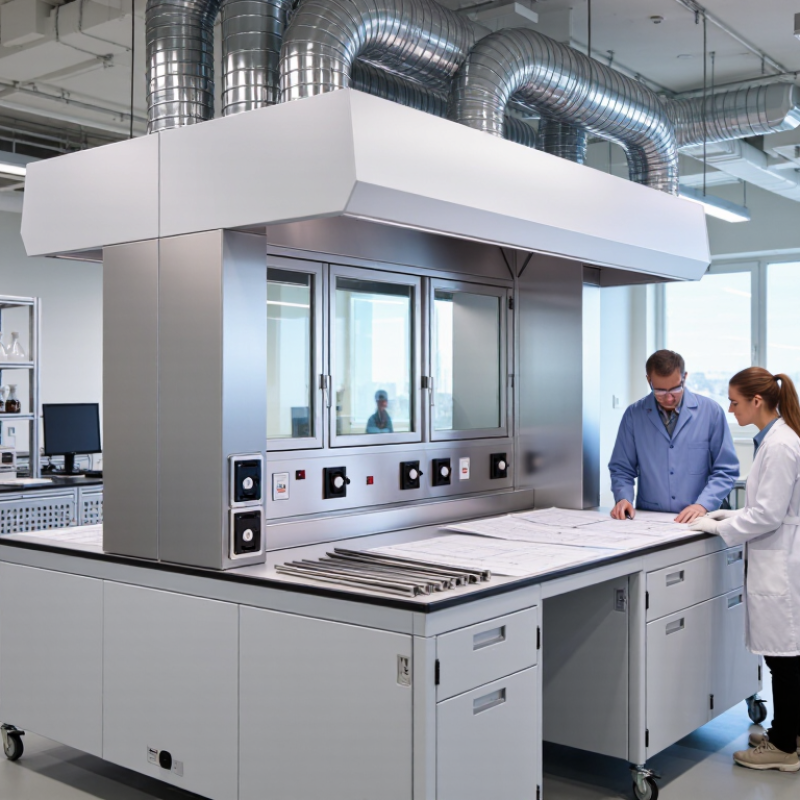
Choosing a supplier for Custom Laboratory Equipment can shape a laboratory’s workflow for years. In 2026, buyers need more than a polished catalogue or a quick quote. They should examine design capabilities, materials, fabrication methods, installation support, and the supplier’s record with comparable projects. A custom fume hood, for example, must fit the room, connect with building services, and support the work performed inside it. Details matter.

This guide introduces leading suppliers and practical ways to assess their fit. It considers product range, engineering expertise, quality documentation, customization options, delivery expectations, and after-sales service. Where information is available, buyers should verify specifications and ask for relevant project references rather than relying on broad marketing claims. A supplier’s ability to discuss constraints clearly can be as important as its proposed design. Not every supplier suits every laboratory. Small details can change the result.

The shortlist is a starting point, not a substitute for due diligence. Compare written proposals, clarify who handles installation, and confirm how design changes affect cost and schedule. Some supplier information may be difficult to compare directly; that uncertainty deserves attention, not guesswork. Use the following overview to identify promising partners and prepare focused questions before requesting a quotation.

Top Custom Laboratory Equipment Suppliers in 2026?

What Custom Laboratory Equipment Suppliers Provide in 2026

In 2026, custom laboratory equipment suppliers do more than build benches or cabinets. They help laboratories turn working requirements into practical equipment. A project may include layout review, material selection, fabrication, and installation. For example, a supplier might adjust a stainless-steel work surface to fit existing sinks, service lines, and instrument dimensions. No specification is perfect on the first draft.

Many suppliers also provide drawings, equipment schedules, and documentation for maintenance and routine checks. Some coordinate electrical, plumbing, or ventilation connections with a facility’s project team. Ask how design changes are reviewed, what testing is included, and who handles adjustments after installation. These details matter when equipment must fit a busy lab without disrupting daily work. Service options vary, so confirm them before approving a proposal.

Tips: Share room measurements, photos, load needs, and cleaning requirements early. Request material samples and a clear scope of work. Check that drawings show access points and service connections. Leave room for a review—real spaces can differ from plans.

Top Custom Laboratory Equipment Suppliers in 2026? – What Custom Laboratory Equipment Suppliers Provide in 2026
Supply Area Typical Custom Offering Common Deliverables Details to Confirm
Design and Engineering Equipment designed or adapted to fit a laboratory’s workflow, room layout, and intended use. Requirements review, layout drawings, equipment specifications, and design revisions. Design approval stages, measurement responsibilities, and how changes are handled.
Laboratory Furniture and Casework Custom benches, cabinets, shelving, sinks, and work surfaces in specified configurations. Dimensioned plans, material options, hardware selections, and installation details. Load requirements, chemical exposure, cleaning practices, and applicable local requirements.
Special-Purpose Enclosures Purpose-built enclosures or housings for instruments, processes, or equipment integration. Enclosure drawings, access-panel details, finish specifications, and interface information. Required containment or ventilation performance and who is responsible for testing it.
Materials and Finishes Material and finish choices selected for the intended environment and cleaning routine. Material specifications, finish samples where available, and care guidance. Compatibility with chemicals, temperature, moisture, abrasion, and cleaning agents.
Utility and Instrument Integration Coordination of equipment with laboratory utilities and customer-supplied instruments. Connection schedules, interface drawings, and installation coordination information. Utility requirements, connection standards, instrument dimensions, and site readiness.
Manufacturing and Assembly Fabrication and assembly based on approved specifications, drawings, or prototypes. Production documentation, assembly details, and agreed inspection records. Lead time, acceptance criteria, inspection scope, and handling of nonconforming items.
Installation and Commissioning Support Delivery, on-site installation, adjustment, or coordination with other project trades. Installation plan, handover information, and any agreed commissioning documentation. Site access, installation scope, utility readiness, and responsibility for performance checks.
Documentation and After-Sales Support Product-specific records and support for maintenance, repair, or future modifications. Operating or care instructions, parts information, warranty terms, and support contacts. Documentation included, warranty exclusions, spare-parts availability, and service coverage.

How to Evaluate Suppliers for Quality, Compliance, and Expertise

Top Custom Laboratory Equipment Suppliers in 2026?
How to Evaluate Suppliers for Quality, Compliance, and Expertise

A polished proposal is not proof of dependable equipment. Ask suppliers for material specifications, inspection records, and test results tied to the exact configuration you need. For a temperature-controlled unit, for example, request evidence showing how evenly it holds temperature across the working area. Small details matter. Check whether measurement tools are calibrated and whether replacement parts remain available after installation.

Compliance depends on the equipment’s intended use and your location. Ask which standards or requirements apply, and request current documentation rather than broad assurances. Review manuals, risk assessments, electrical information, and maintenance guidance before approving a design. If a supplier cannot explain a requirement clearly, pause and verify it with your quality or compliance team. Paperwork alone is not enough.

Expertise shows in the questions a supplier asks. A capable team will clarify sample dimensions, cleaning routines, workflow, utilities, and room constraints before finalizing drawings. Request a design review, acceptance-test plan, and named technical contact. If possible, inspect a comparable build or speak with a customer using similar equipment. No supplier is perfect. Even thorough reviews can miss a practical issue, so document open questions, assign owners, and agree on how changes will be approved.

How to Evaluate Custom Laboratory Equipment Suppliers in 2026

Suggested evaluation weighting (%) for comparing suppliers on quality, compliance, and expertise.

These weights are a practical scoring framework, not measured market statistics. Adjust them to match your equipment type, intended use, and applicable regulatory requirements.

Leading Custom Laboratory Equipment Suppliers and Their Specialties

Top Custom Laboratory Equipment Suppliers in 2026?

Leading Custom Laboratory Equipment Suppliers and Their Specialties

Custom laboratory equipment suppliers differ less by catalog size than by what they can adapt. Some specialize in casework, sinks, and service panels for teaching or research rooms. Others design ventilated enclosures and fume hoods around specific workflows. Their strongest work begins with room dimensions, utility locations, and the tasks performed at each bench.

Temperature-control specialists build stability chambers, incubators, and environmental rooms. Instrumentation-focused fabricators make vibration-isolated tables, optical benches, or shielded enclosures. Modular suppliers provide storage and work surfaces that can be rearranged as projects change. Ask for drawings, load ratings, material details, and installation references. Small details matter. A door swing can obstruct a cart; a poorly placed outlet can leave a cable stretched across a wet work area.

Supplier selection should include engineering support, documented testing, service access, and realistic lead times. Request a sample layout and clarify who coordinates electrical, plumbing, and ventilation interfaces. A polished rendering is not proof of fit. It is worth questioning assumptions early: a standard coating may not tolerate repeated cleaning, even when it looks suitable. Ask how replacement parts are handled if a custom component fails.
How Custom Design, Prototyping, and Production Work

A custom laboratory instrument begins with the task, not the enclosure. Define sample size, operating range, cleaning method, available bench space, and required data connections before requesting drawings. A supplier can then translate these needs into material choices, dimensions, and measurable acceptance criteria. Small details matter. A door that opens into a wall or a cable port placed too low can disrupt daily work.

Prototyping tests more than appearance. Teams may use a mock-up to check reach, access, vibration, and maintenance clearance, then revise the design before production tooling begins. A prototype can look excellent yet reveal awkward cable access only after installation. That is an expensive lesson, and it is easy to miss when reviews happen only on screen. Deloitte’s 2024 Smart Manufacturing Survey found that 92% of surveyed manufacturers viewed smart manufacturing as a key competitiveness driver over the next three years. For laboratory equipment, digital design records and in-process checks can help maintain consistency as production scales.

Tips: Ask for a prototype review with the people who will clean, operate, and service the equipment. Agree on test conditions and acceptance limits in writing. Request material and calibration records where relevant, and confirm how design changes will be documented.

How to Compare Suppliers for Different Laboratory Needs

Comparing laboratory equipment suppliers starts with the workbench, not the catalogue. Match each instrument to its task: sample volume, accuracy, throughput, cleaning routine, and available utilities. A teaching lab may need rugged controls and quick repairs; a temperature-sensitive research room may need tight stability and alarm functions. OECD’s Main Science and Technology Indicators reported research and development spending at about 2.7% of OECD GDP in 2022. Research priorities differ widely, so that figure cannot tell you which instrument to buy.

Compare specifications under realistic conditions. Ask for measurement uncertainty, repeatability, operating noise, energy use, and space for maintenance. The IEA reports that buildings account for around 30% of global final energy consumption. That makes standby draw worth checking, especially for equipment that runs continuously. Request test results and confirm how they were measured. A polished specification sheet is not a substitute for evidence.

Service matters as much as performance. Check calibration arrangements, spare-parts availability, staff training, installation requirements, and written response times. Ask for references from laboratories with similar workflows, not just similar budgets. No scorecard is perfect. A low purchase price can hide costly downtime, while a long feature list may add little value. Put the most important criteria in writing, then verify them with a demonstration or acceptance test before ordering.